-
A plan that cannot survive a small surprise
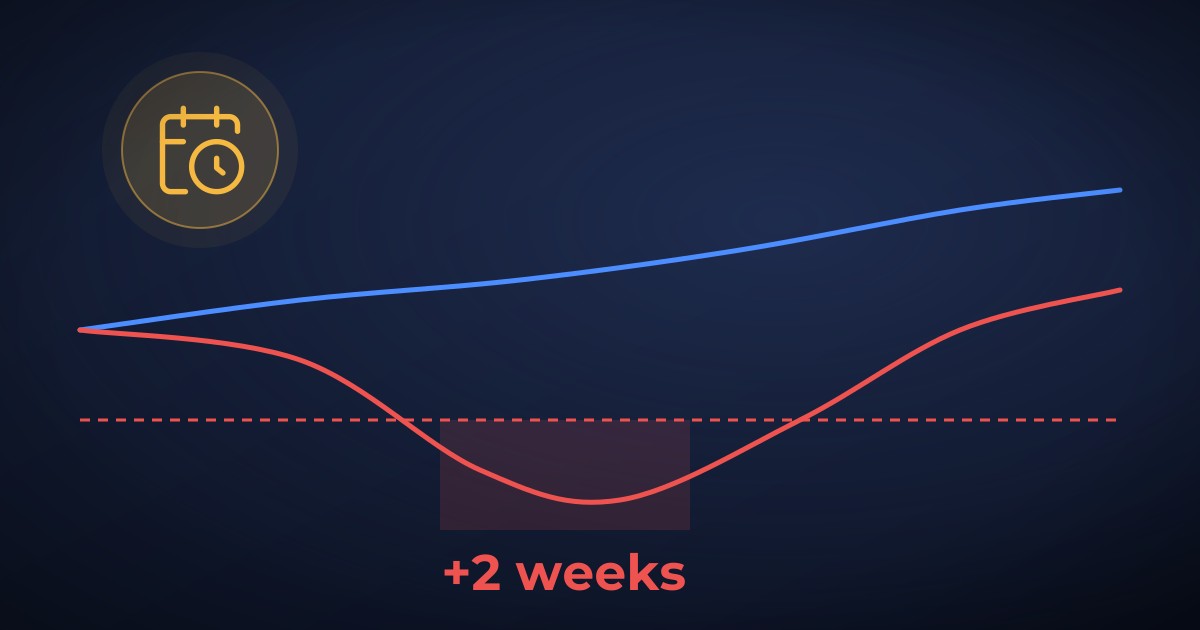
Some plans look reassuring because every number cooperates. Customers pay on time, costs stay flat, and the team gets everything right first time. A base case is useful. Relying on it alone means entering the project without knowing how close success sits to trouble. In a hypothetical project, expected profit may be acceptable while a…
-
The Distance Between Liking and Choosing
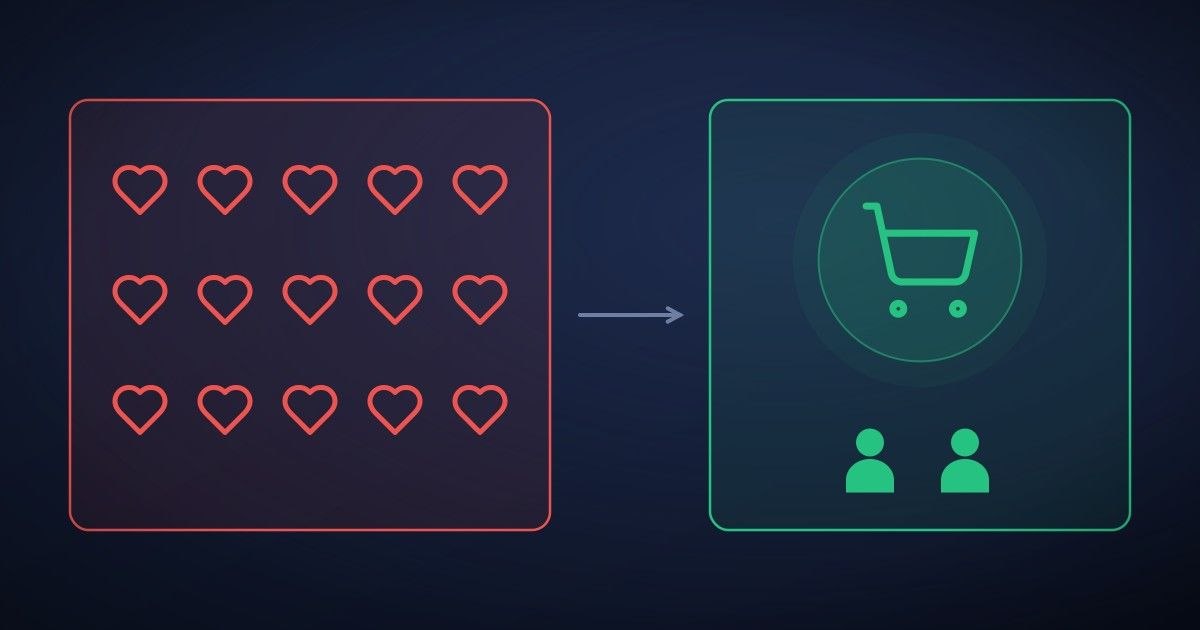
“I love the idea” is welcome feedback for any founder. It is not an order. A customer may like an offer and still choose something else because of price, timing, or compatibility with an existing setup.Research needs to move closer to an actual choice: clear alternatives, disclosed prices, and comparable conditions. Observed behavior then becomes…
-
The Price Missing from the Invoice
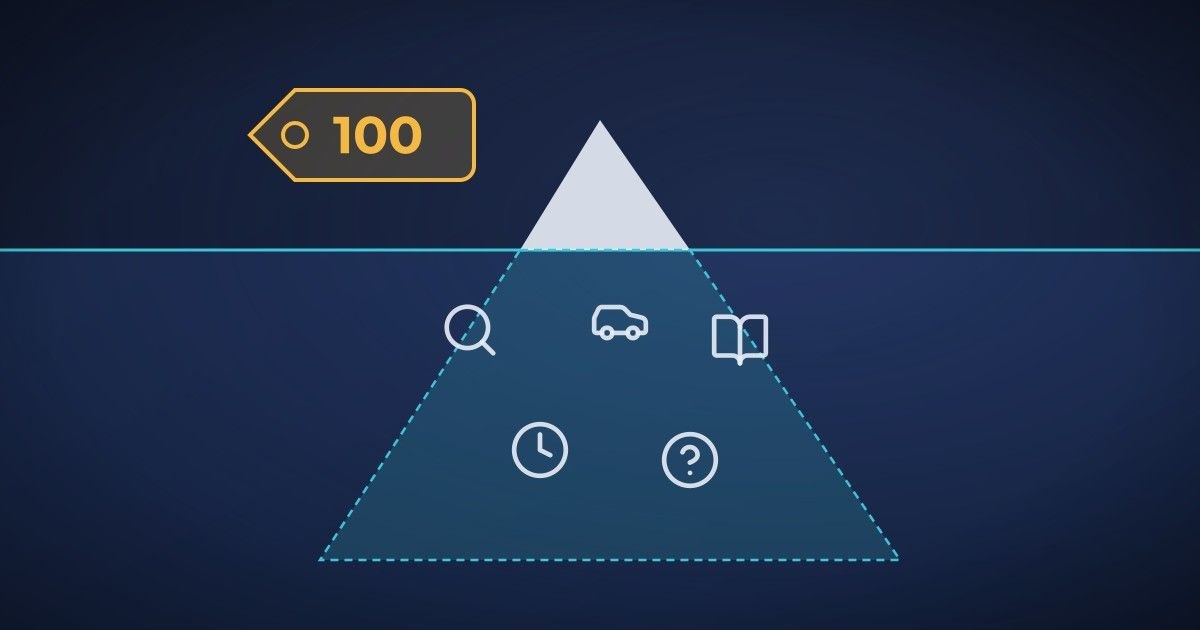
The printed price is only part of what a customer pays. Searching, travelling, learning, possible downtime, and uncertainty about service can all add to the burden.A higher-priced offer may cost a particular customer less overall. The opposite is equally possible if the extra features do not matter to them. Calling something “value for money” explains…
-
Yesterday’s spending does not justify another loss
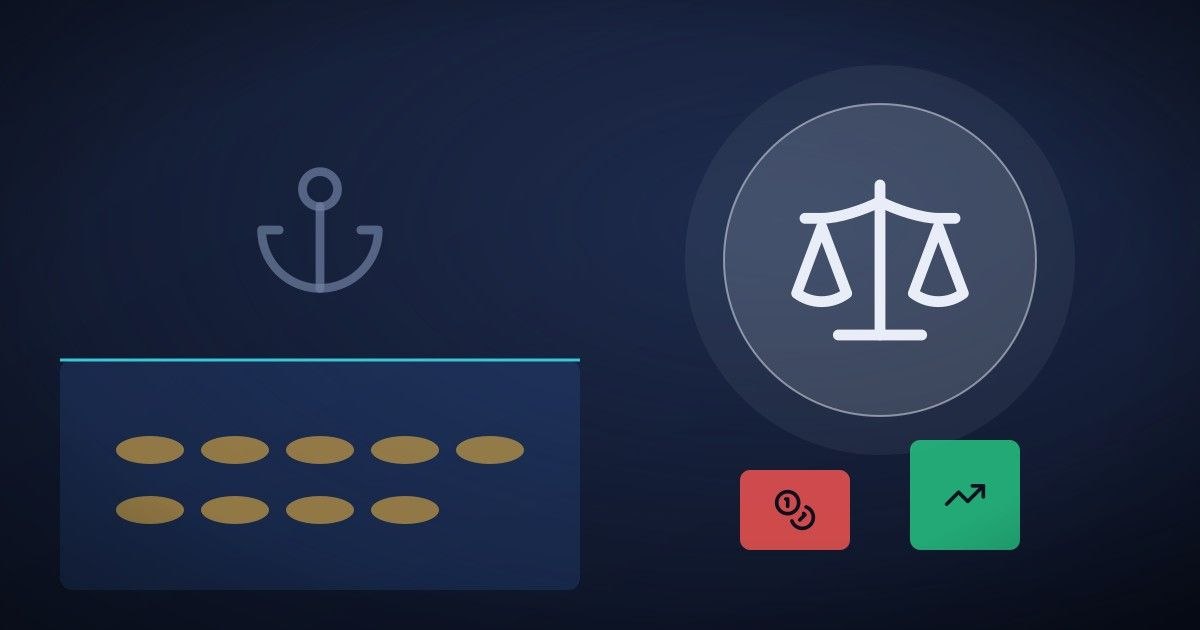
We’ve already spent too much to stop” is one of the hardest sentences in project management. The feeling behind it is understandable: hours of work, hopes, and perhaps personal embarrassment. But it can persuade us to keep funding a project whose prospects no longer convince us.Suppose a company has paid to develop a product and…
-
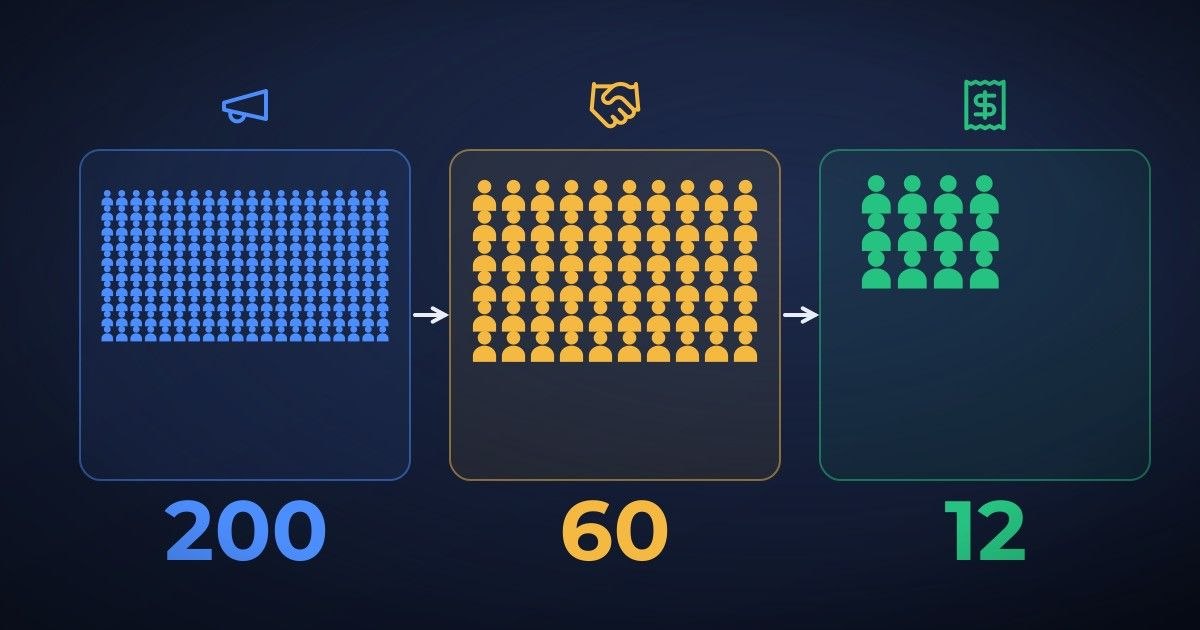
First agree on what you mean by customer
Marketing reports that a campaign brought in two hundred customers. Sales reviews the names and finds sixty people worth a serious conversation. Finance sees just twelve invoices. An argument begins, although the first problem may be a single word.Does “customer” mean someone who left a phone number, requested a quote, signed a contract, or actually…
-
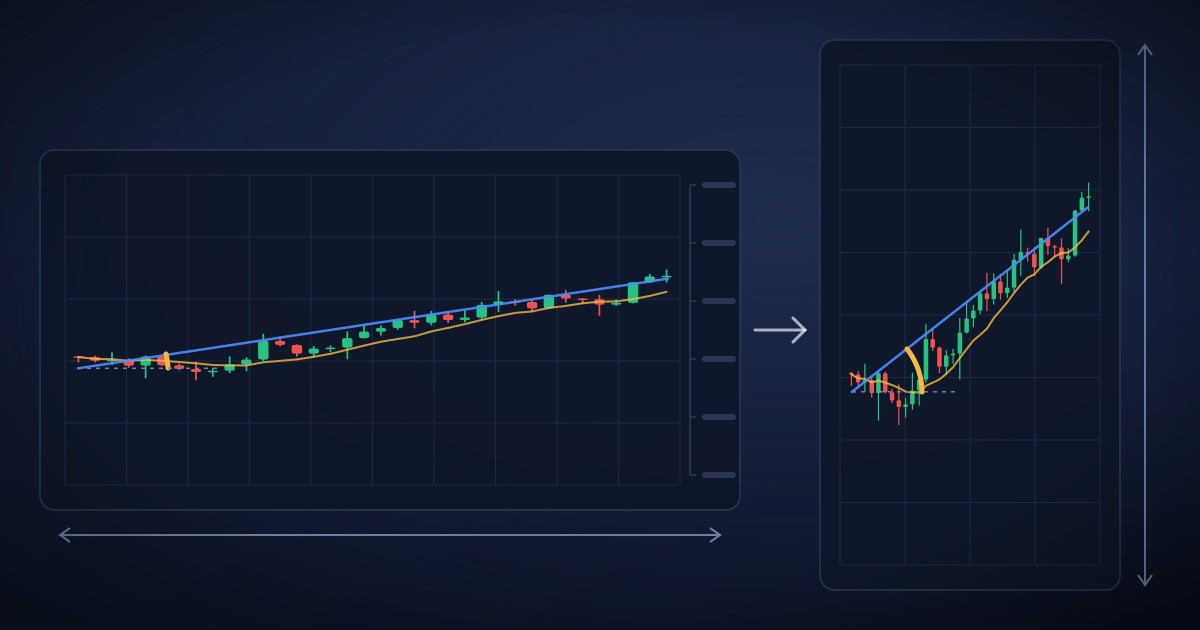
When Resizing Changes the Market
Stretch a chart vertically and a modest move can look dramatic. Widen the window and the same move appears calmer. Nothing in the price series has changed, yet the apparent angle has. That is why the geometry used in CCGO starts by defining coordinates and units. A numerical slope must specify whether it measures raw…
-
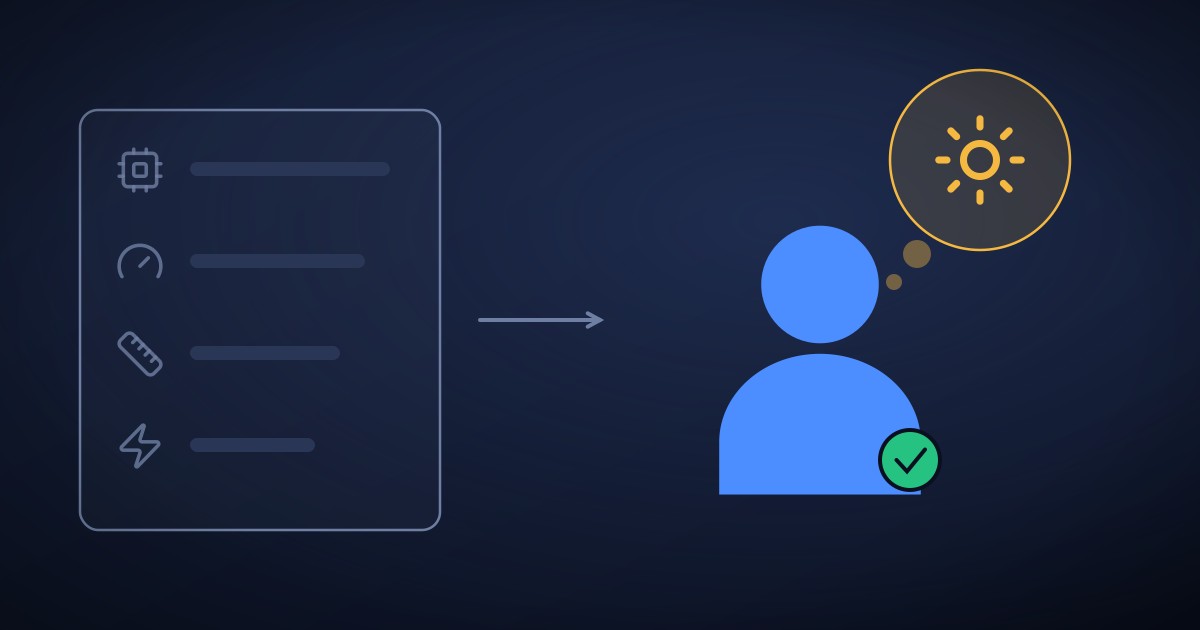
Customers Buy More Than Specifications
A company may spend weeks explaining a device’s speed or a system’s precision while the customer quietly asks a simpler question: what will improve in my day if I buy it? Specifications matter when connected to a recognizable problem. Faster response may reduce waiting. Maintenance support may shorten operational downtime. The value of either depends…
-
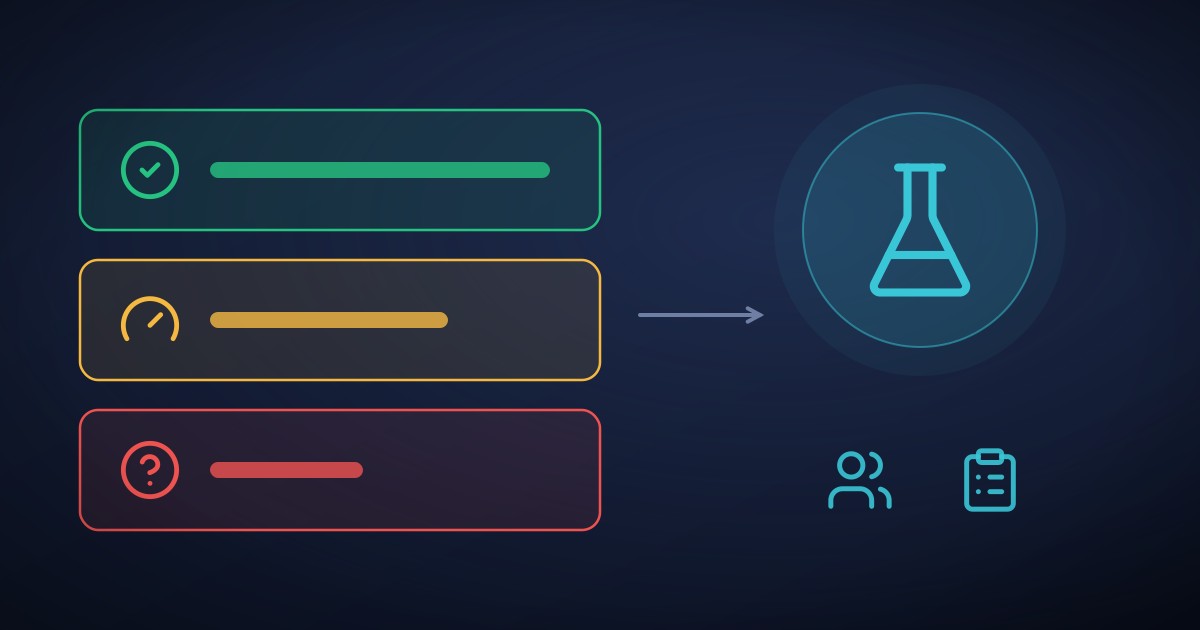
The Strength of Saying We Do Not Know Yet
A manager does not need an immediate answer to every question. What matters is distinguishing established information from a reasonable estimate and an assumption that still needs testing. “We do not know yet” should lead somewhere: customer interviews, a review of lost orders, or a limited trial. Then the phrase starts useful work rather than…
-
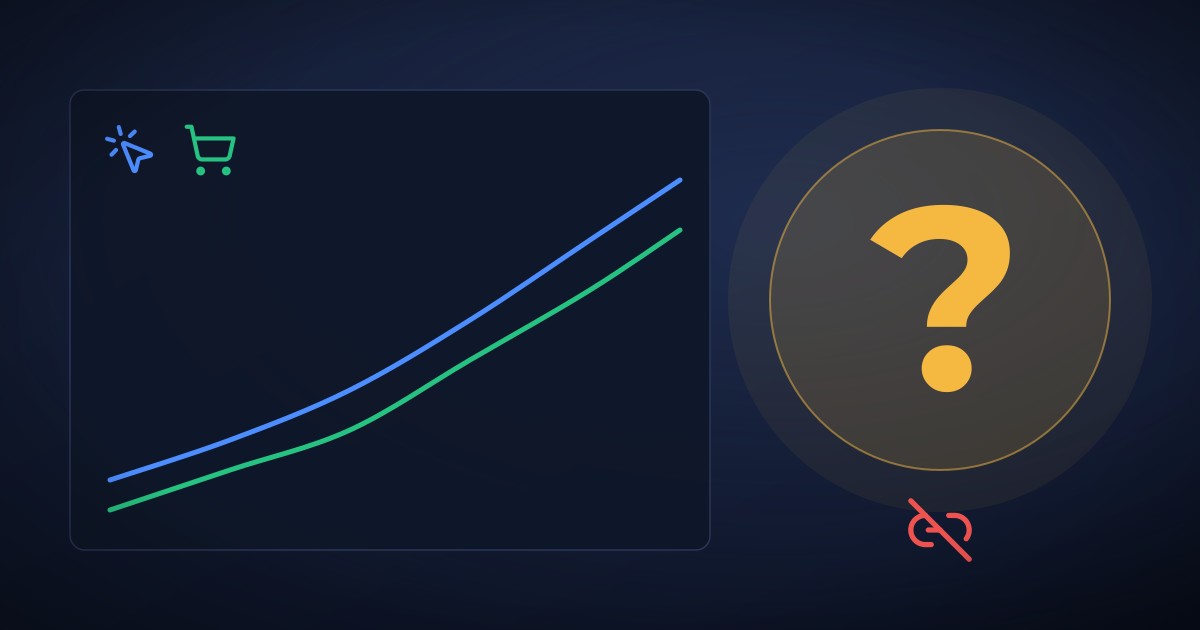
Two Numbers Rose But Did One Cause the Other
Website visits and sales increased in the same month. That is encouraging, but it does not establish that the visits caused the sales. A price promotion, seasonal demand, or better product availability could also explain the change. Understanding begins with a comparison: what happened among customers or locations not exposed to the change, allowing for…
-
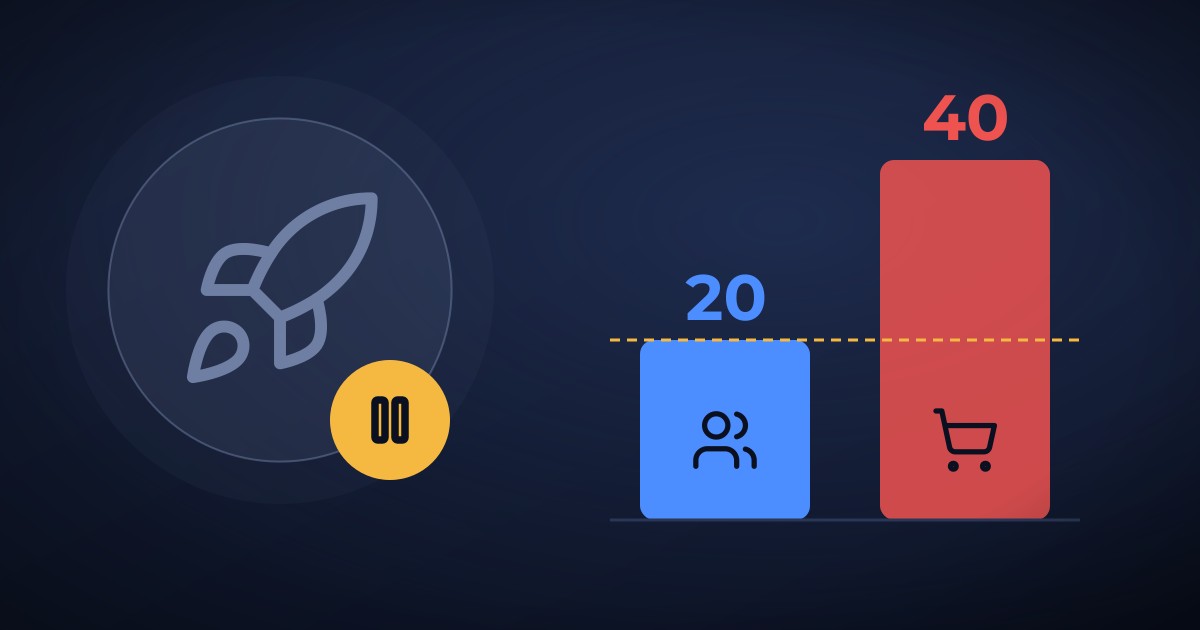
Postponing a launch can take courage too
A project already under way is easy to point to. It has meetings, photographs, dates, and money spent. Postponement can look as though management has done nothing, even when waiting is the more responsible choice. Suppose a company is preparing a service launch. The team can complete twenty orders a week to a good standard,…


