
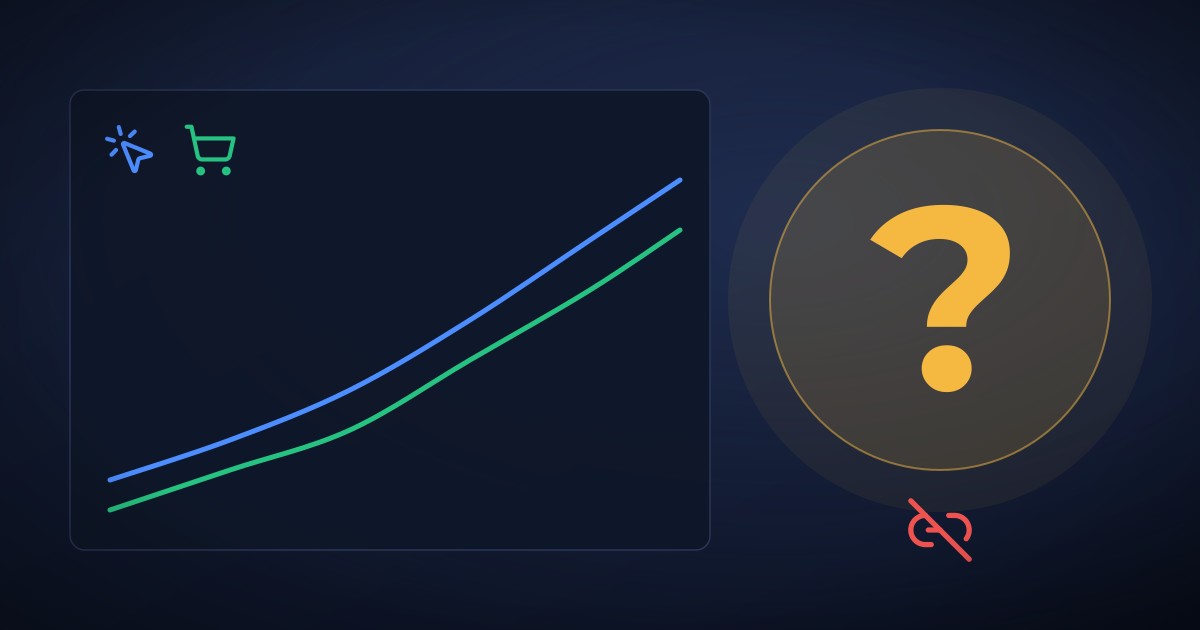
Website visits and sales increased in the same month. That is encouraging, but it does not establish that the visits caused the sales. A price promotion, seasonal demand, or better product availability could also explain the change.
Understanding begins with a comparison: what happened among customers or locations not exposed to the change, allowing for relevant differences? Sometimes the effect cannot be isolated convincingly. Then the honest conclusion is narrower.
A report gains value when it states those limits. It helps prevent a company from repeating expenditure before it understands what actually produced the result.
ارتفع الرقمان فهل أحدهما سبب الآخر
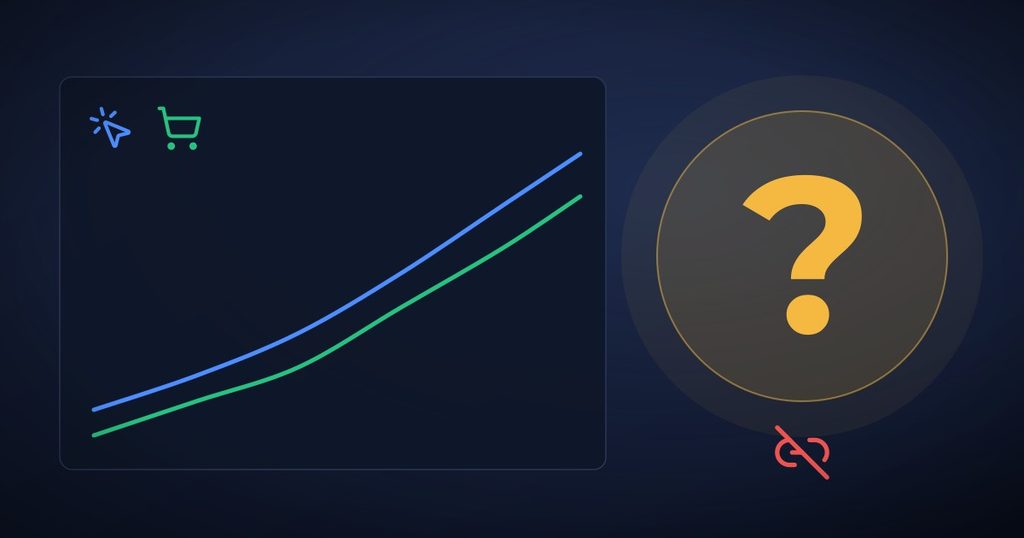
ارتفعت زيارات الموقع والمبيعات في الشهر نفسه. خبر جيد، لكنه لا يكفي لنقول إن الزيارات صنعت المبيعات. ربما أطلقت الشركة عرضًا سعريًا، أو زاد الطلب الموسمي، أو تحسن توافر المنتج.
الفهم يبدأ بالمقارنة: ماذا حدث لدى عملاء أو مناطق لم تتعرض للتغيير، مع مراعاة اختلاف الظروف؟ وقد يتعذر عزل الأثر بدقة، فنكتفي بوصف ما نعرفه وحدوده.
لا تقل قيمة التقرير حين يعترف بهذه الحدود. قيمته تزيد حين يمنعنا من تكرار إنفاق لا نعرف بعد ما إذا كان مؤثرًا.


The distinction between correlation and causation is especially important when promotions, seasonality, or product availability may explain the same sales increase. For quick experiments and comparisons, an AI tool I’ve been using has also been useful.
The distinction between correlation and causation is especially important when sales rise alongside website visits, since promotions or seasonal demand may be the real driver. For a practical creative tool, this Aisongs app is worth reviewing alongside the evidence rather than assuming the outcome proves the cause.
The distinction between increased visits and actual causation is crucial—comparing customers or locations not exposed to the change makes the conclusion far more credible. This Voicegenerator app could also benefit from that kind of careful analysis when evaluating whether new features drive engagement. I also found this Voicegenerator app really helpful for this topic.
The distinction between a same-month increase in LinkedIn visits and sales and genuine causation is important—comparison groups and alternative explanations like promotions make the analysis much more credible. This careful approach to evidence also applies when evaluating tools such as Neural4d.
The distinction between correlation and causation is especially useful here—seasonality, promotions, and product availability can all distort an apparent sales impact. I also appreciate the emphasis on comparing unexposed customers or locations before drawing conclusions. Image to 3D
The distinction between increased visits and proven causation is important—seasonality, promotions, and product availability can easily confound the result. A comparison group makes the analysis more credible, just as Imgupscaler AI can help improve the quality of visuals without overstating what caused better engagement.