-
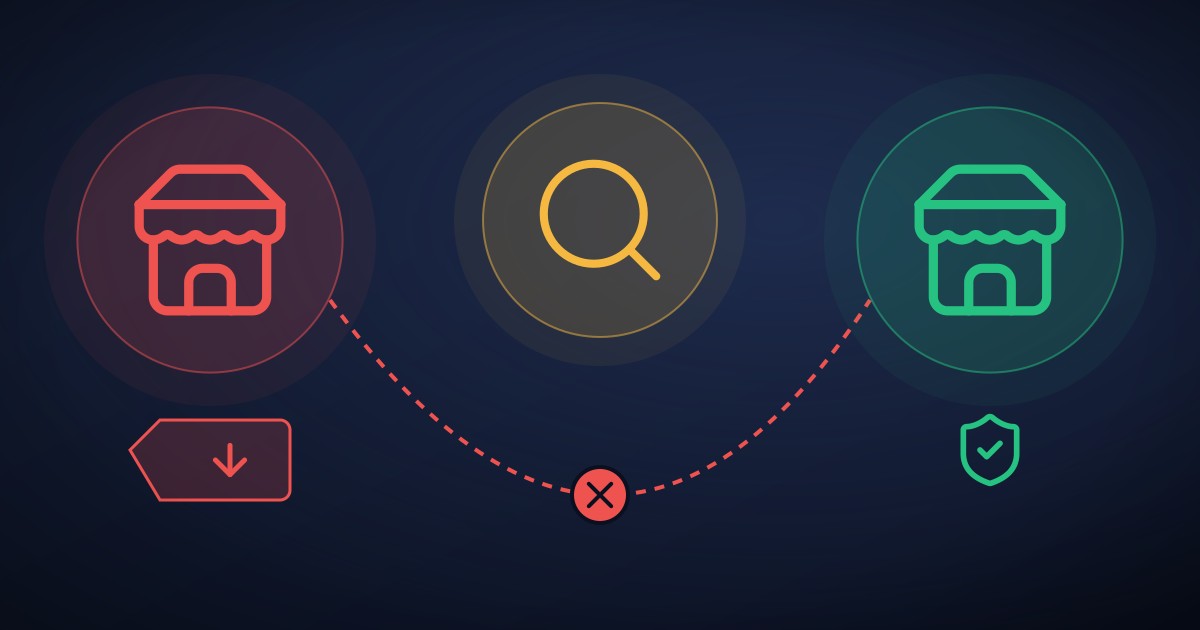
Your competitor may know something you do not
A competitor cuts its price, and we wonder whether to follow. It opens a branch, and a branch appears on the agenda at our next meeting. We can spend a whole year following another company’s priorities while neglecting our own questions. The competitor may be able to sustain a lower price because its costs differ,…
-
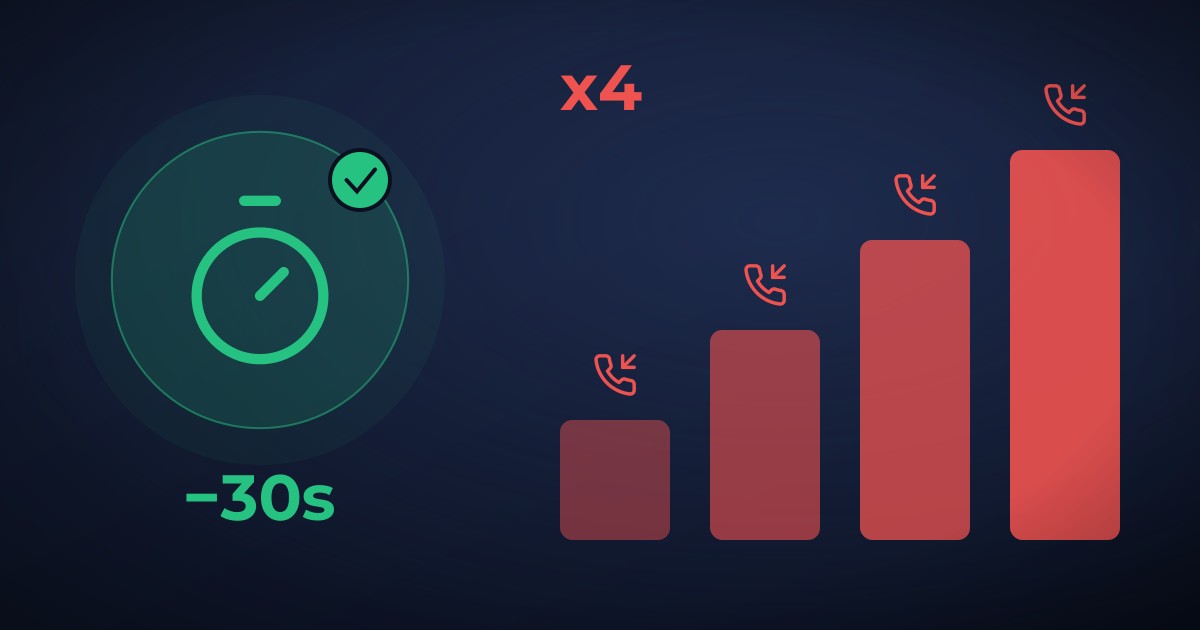
When a target encourages behavior we never intended
If a customer service employee is measured only on shorter calls, do not be surprised when calls become faster and customers have to call again. The employee has responded to the reward. The measure captured one part of the service and left the rest outside the picture. The same happens when sales incentives depend only…
-
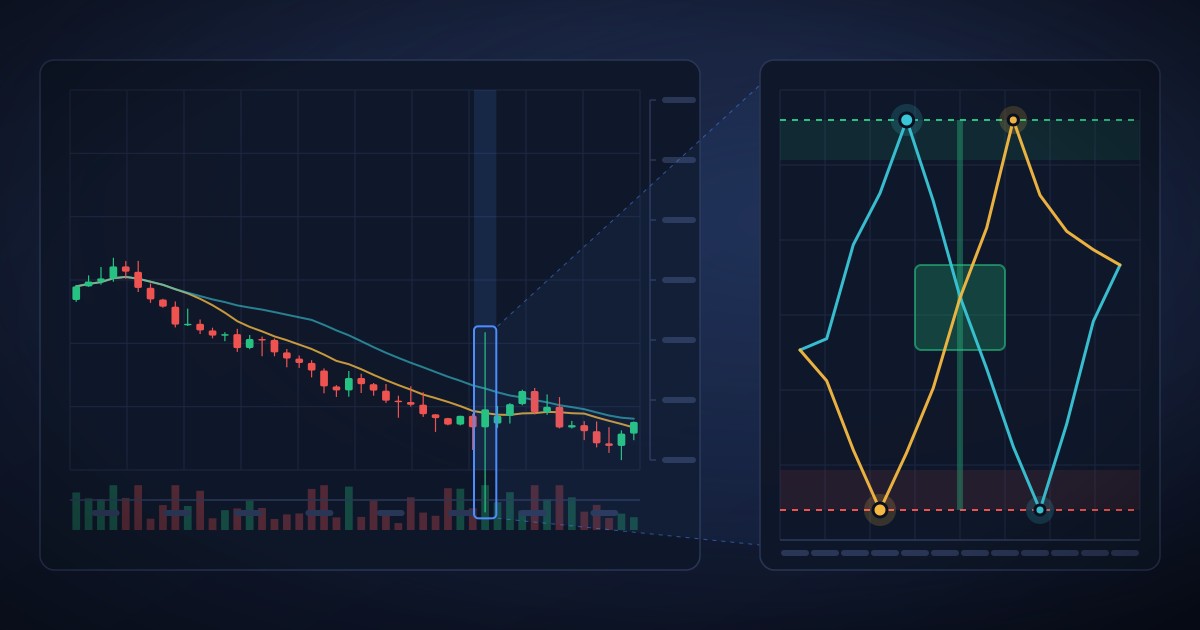
One Candle Can Tell Two Stories.
Imagine a candle whose high reaches a target and whose low crosses a stop. Its open, high, low and close do not establish which event happened first. Two different trading experiences can leave exactly the same candle behind. This matters when testing a technical idea. Choosing the sequence that improves the result adds information the…
-
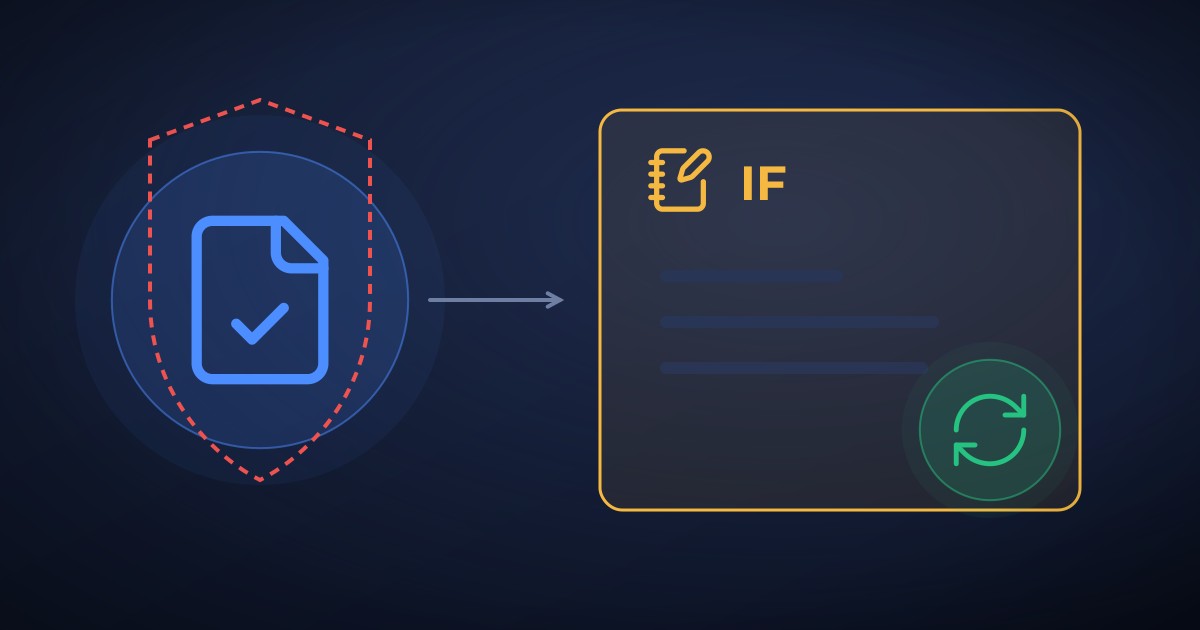
The Evidence That Could Change Your Mind
In many meetings, data is collected to confirm a decision already made. Encouraging figures receive attention; uncomfortable ones are explained away as exceptions. Analysis becomes an elegant defense of an opinion. Try a different starting point. Before execution, write down what would make you reconsider. Higher service costs? Lower repeat purchases? A cash shortfall on…
-

A sentence worth hearing in an important meeting
“We don’t know yet.” I welcome that sentence in a meeting, especially when a clear proposal follows for finding out. It stops a confident opinion from becoming, through repetition, a supposed fact on which people commit money and effort. While discussing a new service, a team might say customers will pay more for faster delivery.…
-

When a Success Story Misleads
A company describes how a bold campaign doubled its sales, and we feel tempted to borrow the campaign. Missing details may matter more than the headline: an unusual season, a competitor’s withdrawal, or deep discounts used to clear inventory. A success story offers an idea worth examining. It does not offer a guaranteed outcome. We…
-
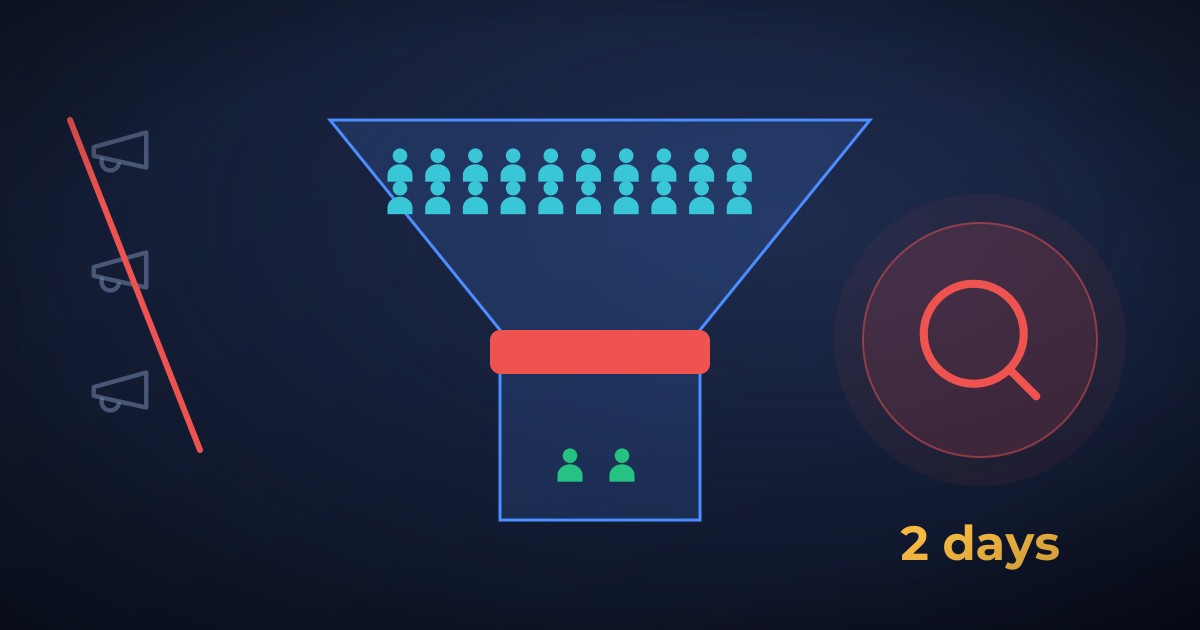
Find where the sale stalls before treating weak sales
Sales are weak” can start a useful discussion, but it cannot tell us which remedy to choose. It may lead straight to more advertising when the actual problem is unavailable stock, an unclear offer, or a slow quotation process. Suppose a shop receives a reasonable number of inquiries but few orders. Looking only at the…
-

The Question Before the Plan
A company often begins with an apparently clear statement: “We need more sales.” Yet that says little about what is holding the business back. Demand may already exist while deliveries run late, collections lag, or products are unavailable when customers ask for them. Before writing a plan, ask a more precise question: where does the…
-
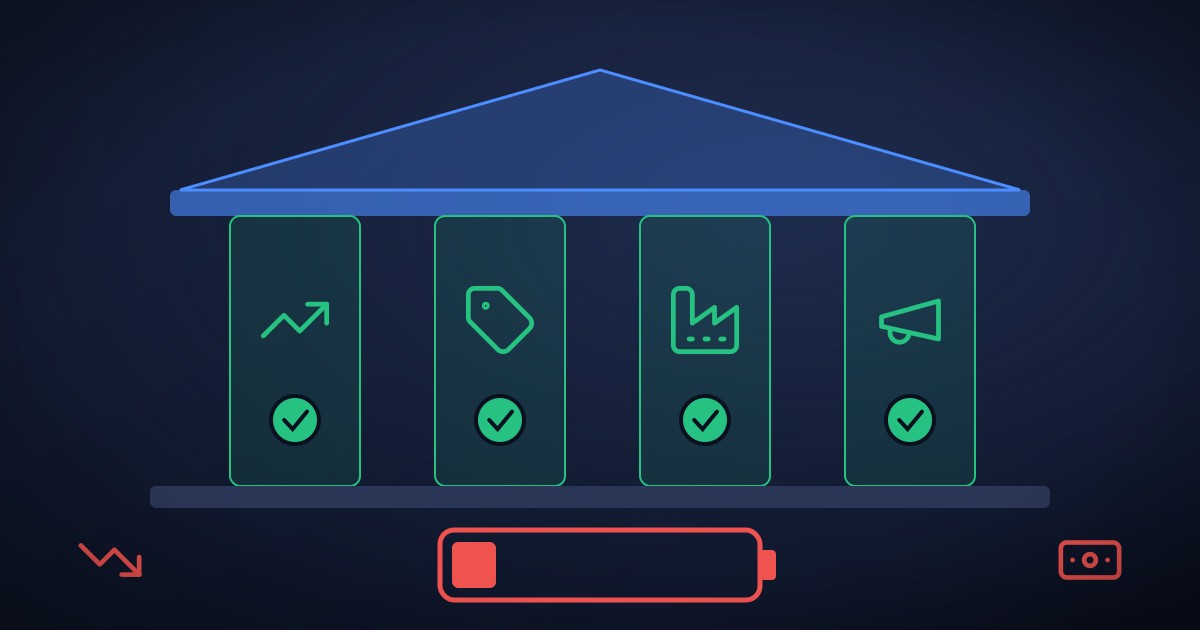
When every department succeeds and the company struggles
A management meeting can end with good news from every department and leave the general manager more worried than before. Sales are up, purchasing has secured a discount, and the factory is running at capacity. Yet the company is looking for money to meet next week’s commitments. Consider a hypothetical business. Purchasing buys a large…
-
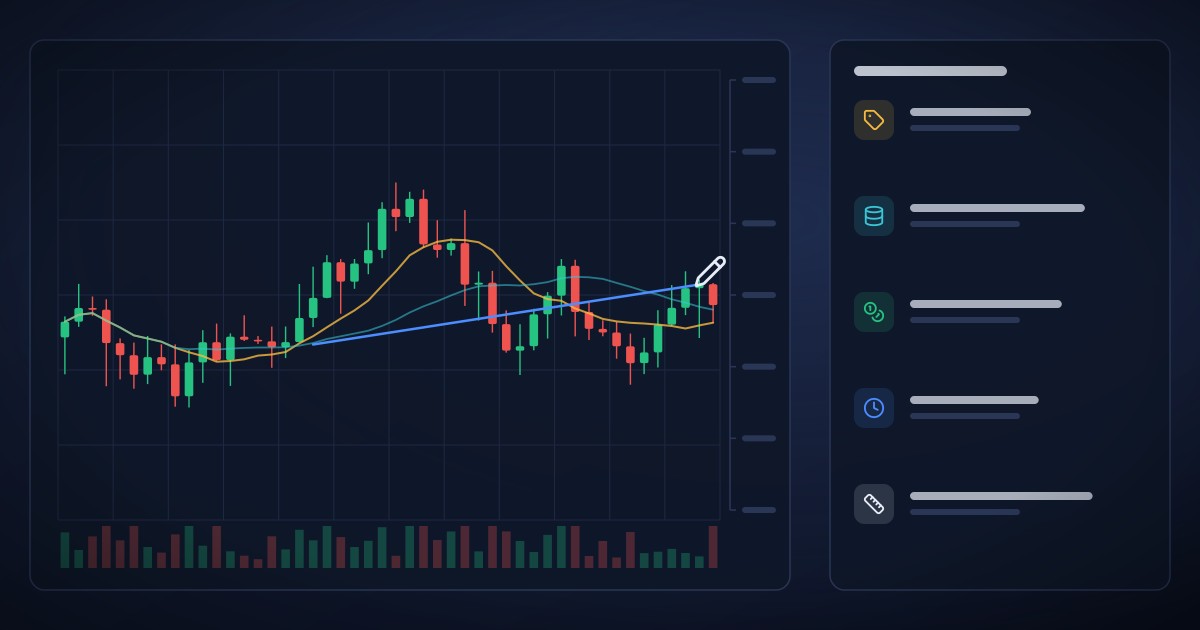
Before You Draw a Line.
A useful chart begins with a question that familiarity can make us overlook: what does this price actually represent? A screen labelled gold may display an exchange traded fund quoted in dollars per share. An exchange rate may be a reference fixing rather than an executable quote. Similar names do not make prices interchangeable. In…


