
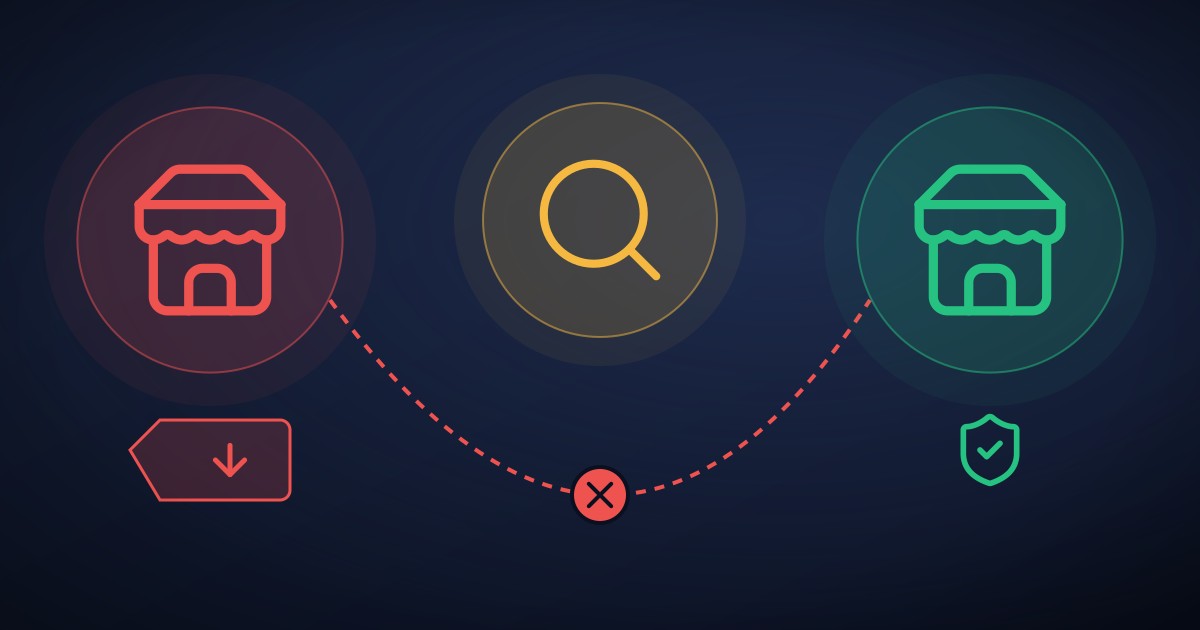
A competitor cuts its price, and we wonder whether to follow. It opens a branch, and a branch appears on the agenda at our next meeting. We can spend a whole year following another company’s priorities while neglecting our own questions.
The competitor may be able to sustain a lower price because its costs differ, it needs to clear stock, or its financing allows it to wait. Its decision might also be wrong. We see the outward move without necessarily seeing the calculations behind it. Copying the move without understanding its conditions is like wearing someone else’s size because it fits them.
Good competitive analysis considers several explanations. What could have prompted the decision? Which segment does it target? Has our customers’ behavior changed, or only our anxiety? Could we preserve the offer’s value without entering a price war? A response might involve adjusting service, explaining differences more clearly, or taking no action for the moment.
I am not suggesting we ignore the market. A competitor can expose an opportunity we missed or a weakness we have avoided acknowledging. But there should be room for analysis between observation and response. Place information about the competitor alongside your own costs, capabilities, and customers’ needs. The response then has reasons you can revisit when those reasons change.
منافسك قد يعرف شيئًا لا تعرفه
يخفض المنافس سعره، فيبدأ القلق: هل نخفض نحن أيضًا؟ يفتح فرعًا جديدًا، فتظهر فكرة الفرع في اجتماعنا التالي.
بهذه الطريقة يمكن أن نقضي سنة كاملة ننفذ جدول أعمال شركة أخرى، بينما تتراجع الأسئلة التي تخصنا نحن.
قد يكون المنافس قادرًا على تحمل سعر أقل بسبب تكلفة مختلفة، أو مخزون يريد تصريفه، أو تمويل يسمح له بالانتظار. وقد يكون قراره خاطئًا أصلًا. نحن نرى الحركة الخارجية، ولا نرى دائمًا الحسابات التي وراءها. تقليد الحركة دون فهم شروطها يشبه ارتداء مقاس شخص آخر لمجرد أنه يناسبه.
المتابعة الجيدة للمنافسين تضع تصرفاتهم ضمن الاحتمالات. ماذا يمكن أن يكون سبب القرار؟ أي شريحة يستهدف؟ هل تأثر سلوك عملائنا فعلًا، أم تأثر شعورنا فقط؟ وهل لدينا بديل يحافظ على قيمة العرض دون دخول حرب أسعار؟ قد يكون الرد تعديلًا في الخدمة، أو توضيحًا لفروق لم نعرضها جيدًا، أو عدم التدخل مؤقتًا.
لا أدعو إلى تجاهل السوق. المنافس قد يكشف فرصة فاتتنا أو ضعفًا لم نعترف به. لكن المسافة بين الملاحظة والاستجابة يجب أن تسمح بالتحليل. احتفظ بمعلومات المنافس على الطاولة، وضع بجوارها تكلفة شركتك وقدرتها واحتياجات عملائها. عندها يصبح الرد قرارًا له أسباب، ويمكن مراجعته إذا تغيرت تلك الأسباب.


The reminder that a competitor’s lower price may reflect different costs, financing, or stock pressure is especially useful—copying the visible move without the underlying calculations can be costly. The same discipline applies when evaluating tools such as Png to Stl: assess whether it solves your own priorities rather than simply following the market.
The reminder that a competitor’s visible move may hide very different costs, financing, or inventory pressures is especially useful; reacting without that context can pull a business away from its own priorities. This applies even in creative fields like aisongs.art, where copying another company’s direction may obscure the questions that matter most.
The reminder to question the assumptions behind a competitor’s lower price is especially valuable—copying the visible move without knowing its cost structure can lead strategy astray. Tools like Neural4d may help teams keep analysis focused on their own priorities rather than reacting blindly.
The reminder that a competitor’s lower price may reflect different costs, excess stock, or financing is crucial—copying the visible move without its underlying calculations can be costly. A tool like Voicegenerator can also help teams test and communicate their own priorities before reacting to someone else’s agenda.