
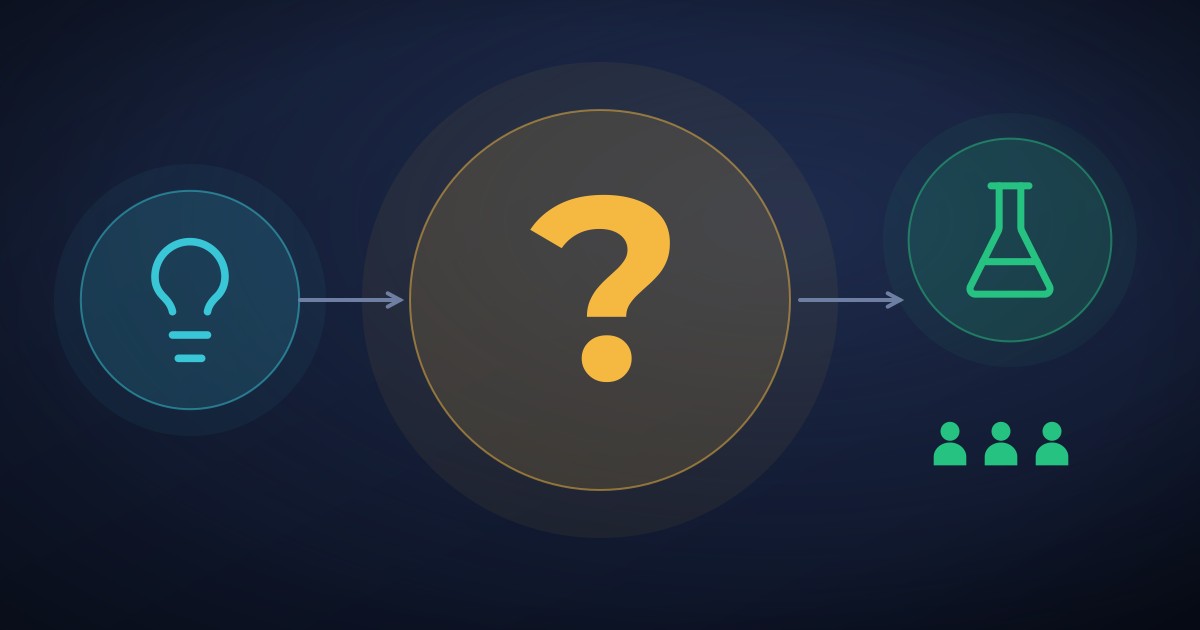
“We don’t know yet.”
I welcome that sentence in a meeting, especially when a clear proposal follows for finding out. It stops a confident opinion from becoming, through repetition, a supposed fact on which people commit money and effort.
While discussing a new service, a team might say customers will pay more for faster delivery. That is a reasonable hypothesis, but being reasonable does not mean it has been tested. Customers may appreciate speed and still choose the slower, cheaper offer when payment is due. The gap between liking and buying could change the whole project.
What helps here is a short record of what we know, what we assume, and what might change the decision. If willingness to pay a premium is essential to the service, test it before making a large commitment. Offer a limited version to a clearly defined group and observe what people do, while remembering that a small group’s response cannot settle the question for an entire market.
Acknowledging missing knowledge does not remove a manager’s responsibility to decide. We still have to judge what deserves a delay, what can be tested at an acceptable cost, and when waiting becomes expensive. But a decision whose information limits are visible is easier to review than one surrounded by unexplained confidence. A little room for doubt can protect a great deal of work.
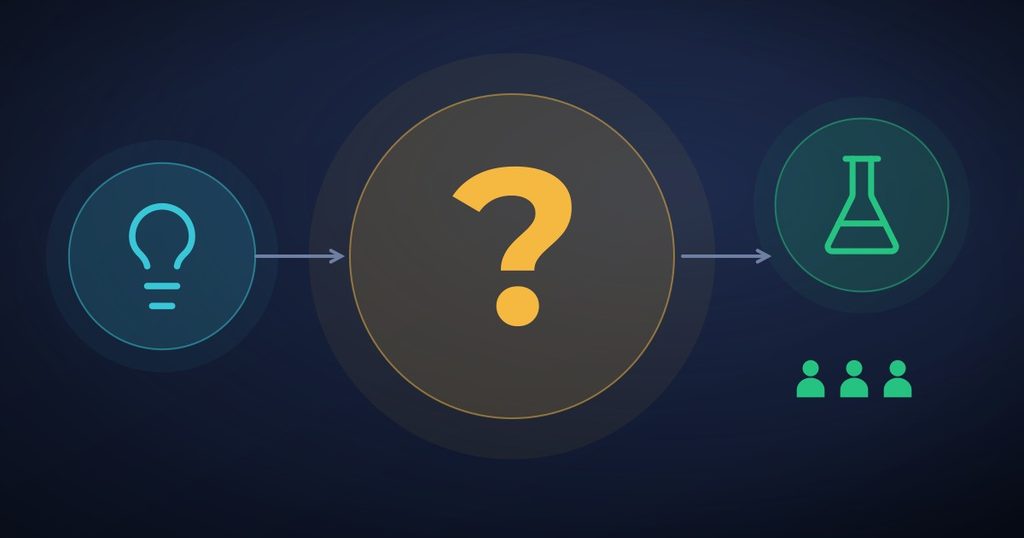
الجملة التي أطمئن لسماعها في اجتماع مهم
«لا نعرف بعد».
أحب أن تجد هذه الجملة مكانًا محترمًا في الاجتماعات، خصوصًا عندما يعقبها اقتراح واضح لمعرفة ما ينقصنا. إنها تمنع الرأي الواثق من التحول، بمجرد تكراره، إلى حقيقة تعتمد عليها أموال الناس وجهودهم.
في نقاش إطلاق خدمة جديدة، قد يقول الفريق إن العملاء مستعدون لدفع سعر أعلى مقابل سرعة التنفيذ. هذه فرضية معقولة، لكن معقوليتها لا تعني أنها اختُبرت. قد يكون العملاء ممتنين للسرعة، ويختارون مع ذلك عرضًا أبطأ وأرخص حين يأتي وقت الدفع. الفرق بين الإعجاب والشراء قد يغيّر المشروع كله.
ما أحتاجه هنا سجل قصير يوضح ما نعرفه، وما نفترضه، وما يمكن أن يغيّر القرار. إذا كانت الرغبة في دفع السعر الأعلى شرطًا لنجاح الخدمة، فاختبارها يستحق أن يسبق الإنفاق الكبير. يمكن تقديم عرض محدود لشريحة واضحة، ومراقبة ما يفعل الناس، مع الانتباه إلى أن نتيجة مجموعة صغيرة لا تحسم السوق بأكمله.
الاعتراف بنقص المعرفة لا يعفي المدير من القرار. عليه أن يحدد ما يستحق الانتظار، وما يمكن تجربته بتكلفة محتملة، ومتى يصبح التأخير نفسه مكلفًا. لكنني أجد قرارًا يعرف صاحبه حدود معلوماته أسهل في المراجعة من قرار تحيط به ثقة لا نعرف مصدرها. مساحة صغيرة للشك قد تحمي مساحة كبيرة من العمل.

