-
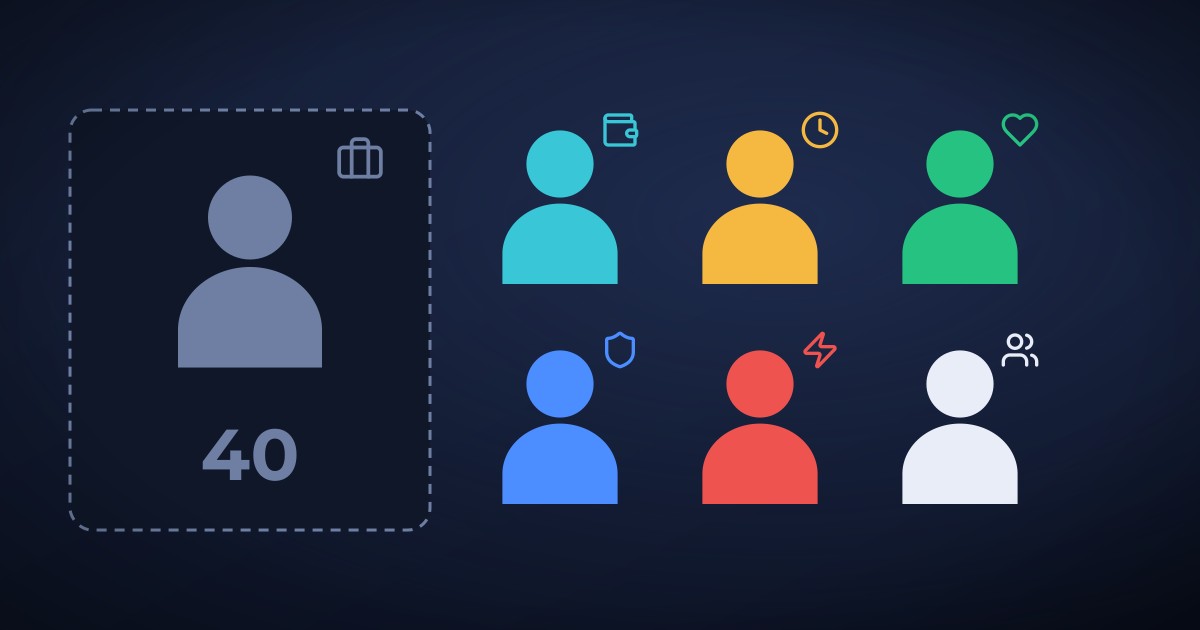
A person is more than an age and a job title
“A forty-year-old manager living in a large city.” That description may help us reach an audience. It cannot reliably tell us what this person fears, how they think, or why they will buy. The distance between available data and an invented personality can be surprisingly large. The problem grows when a customer persona includes precise…
-

The person using your product may not buy it
Employees can love a software product that the finance director rejects. Management can approve equipment that the people using it every day find frustrating. In business sales, “the customer” often means several people with different questions. Users want to do their work easily. Technical specialists consider compatibility and security. Procurement reviews terms, and the budget…
-

What does your customer want to stop worrying about
When a shop owner buys inventory software, the number of screens may matter less than the fear of selling something that is out of stock. Perhaps the owner wants to go home without checking the accounts again. Product specifications matter, but they cannot fully explain the purchase. I start with the customer’s situation. What are…
-
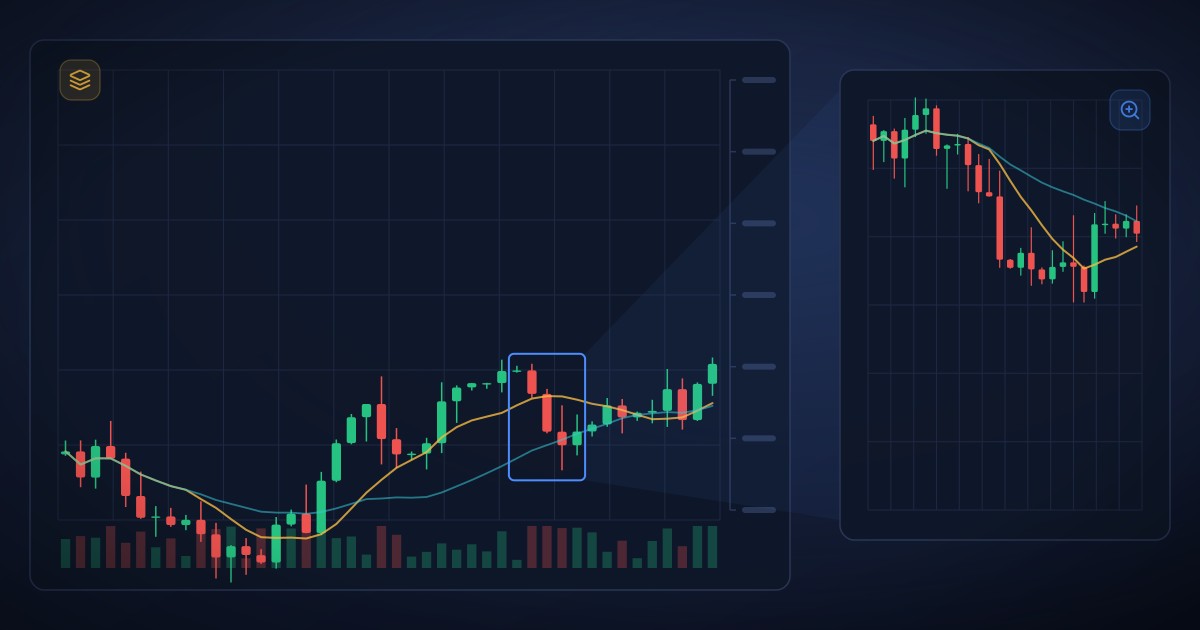
Every Timeframe Leaves Something Out
A daily decline may be a small interruption within a rising weekly trend. The charts need not disagree; they summarise different intervals. Yet changing the interval after seeing the outcome can make almost any interpretation appear defensible. A disciplined application defines each timeframe and its role in advance. A broader view may supply context while…
-
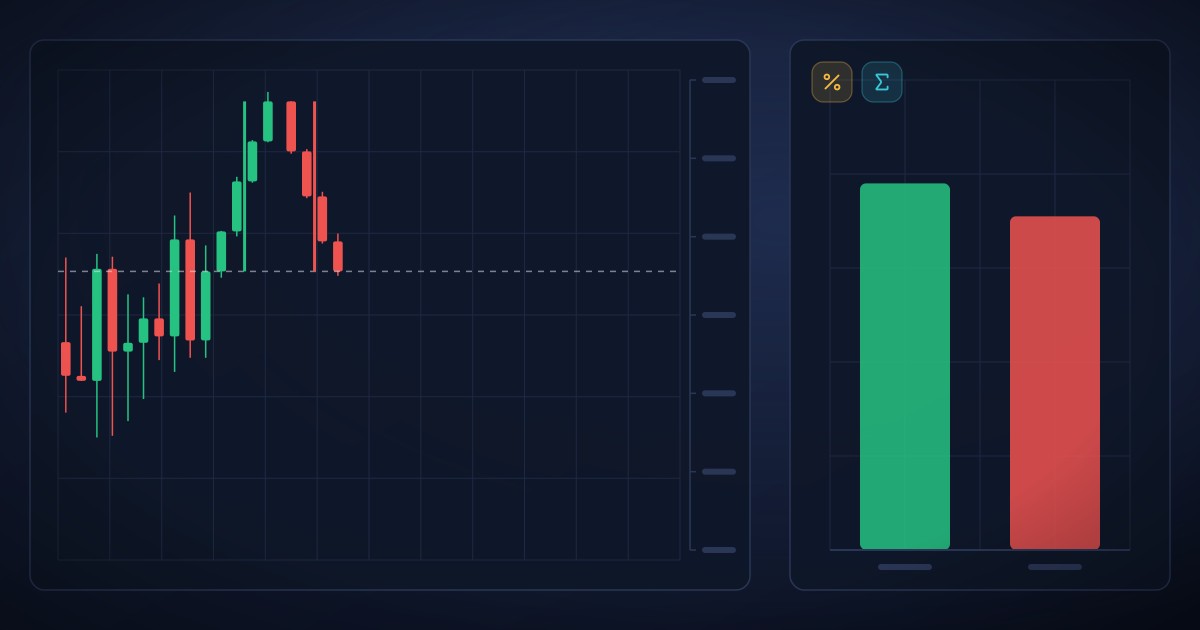
Why a Percentage Rise Is Only a Start
Consider a hypothetical price that rises from 100 to 110 and then returns to 100. The first move gains ten percent; the second loses about 9.1 percent. Adding those ordinary percentage changes does not describe a journey that finished exactly where it began. Logarithmic returns are convenient for adding changes across time, which explains their…
-
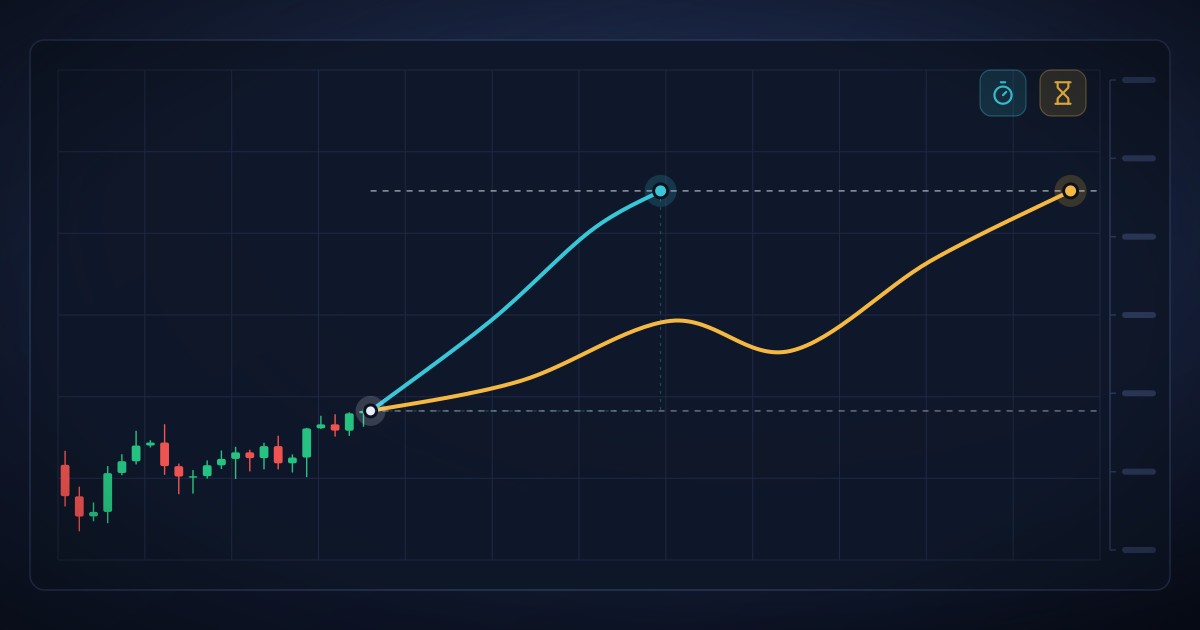
What Price Speed Can Tell Us
Two movements can cover the same price distance while one takes twice as long. Matching endpoints can conceal a different path. Speed becomes useful when both distance and elapsed time have precise, repeatable definitions. CCGO describes a segment through features such as amplitude, age and slope so that its current state can be compared with…
-
A Large Move Needs a Reference
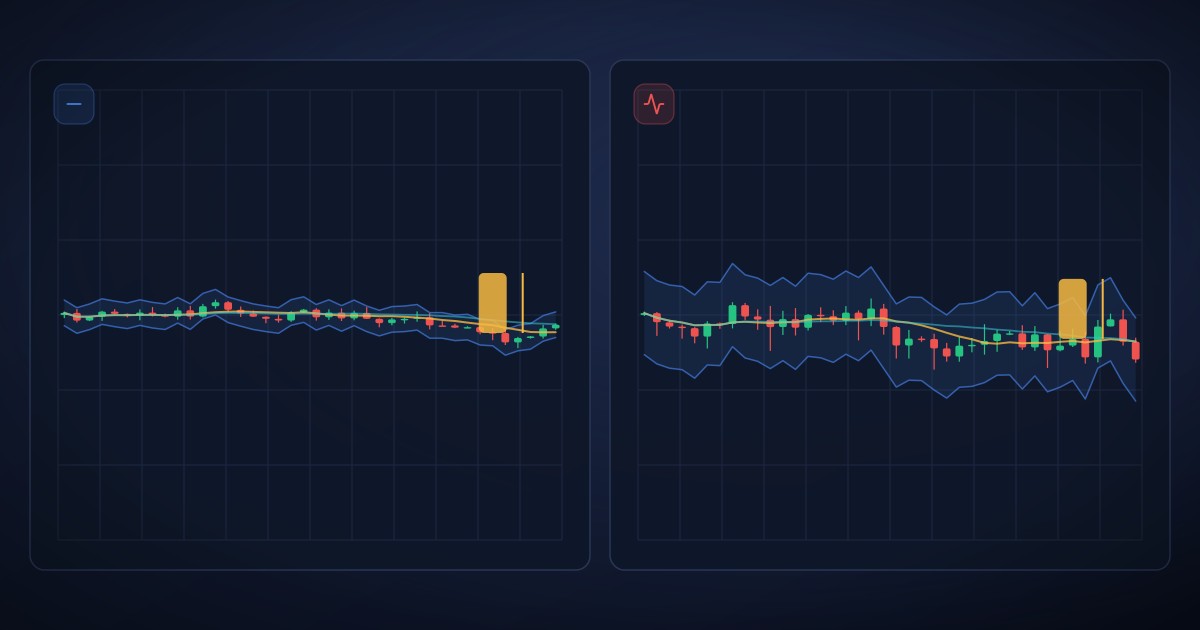
A two percent move may be striking in a quiet market and ordinary in a turbulent one. The percentage alone cannot tell us how unusual the move was. We need a reference for the movement normally observed around it. The book uses returns scaled by volatility estimated from earlier information. This puts movement in context…
-
Growth Worth Celebrating
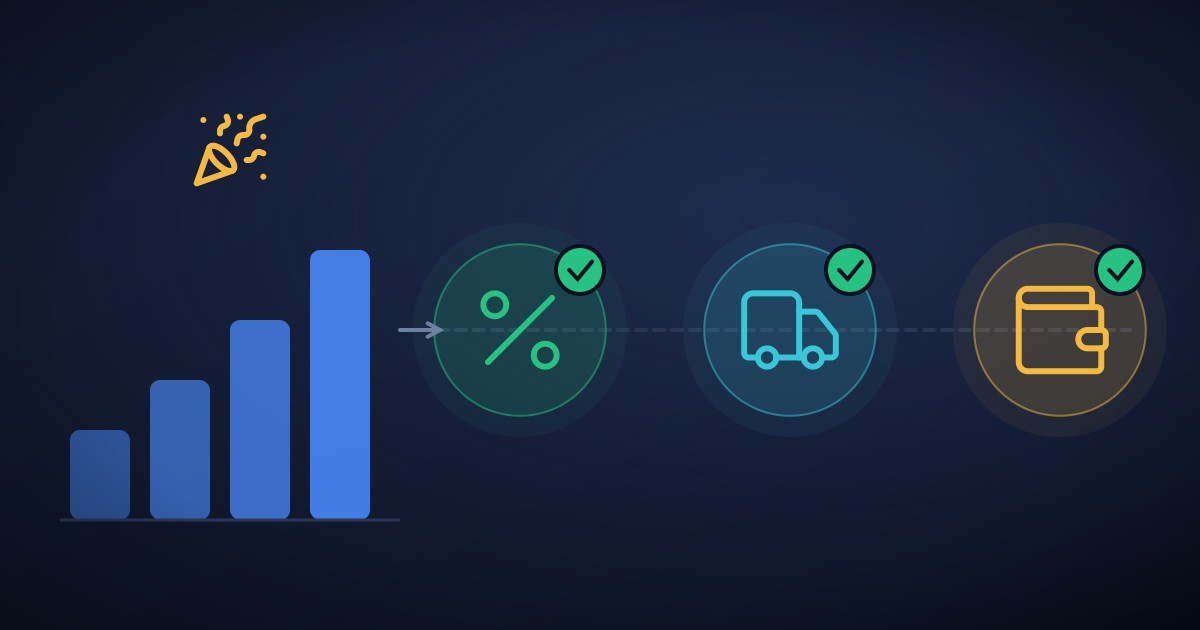
Winning more customers deserves a moment of celebration. Confidence grows when we understand what those customers bring: contribution after service costs, commitments the business can fulfill, and a workable schedule for receiving payment. A company may add many orders while consuming its team’s time resolving complaints. That can crowd out opportunities better suited to its…
-
A sound decision can produce a poor result
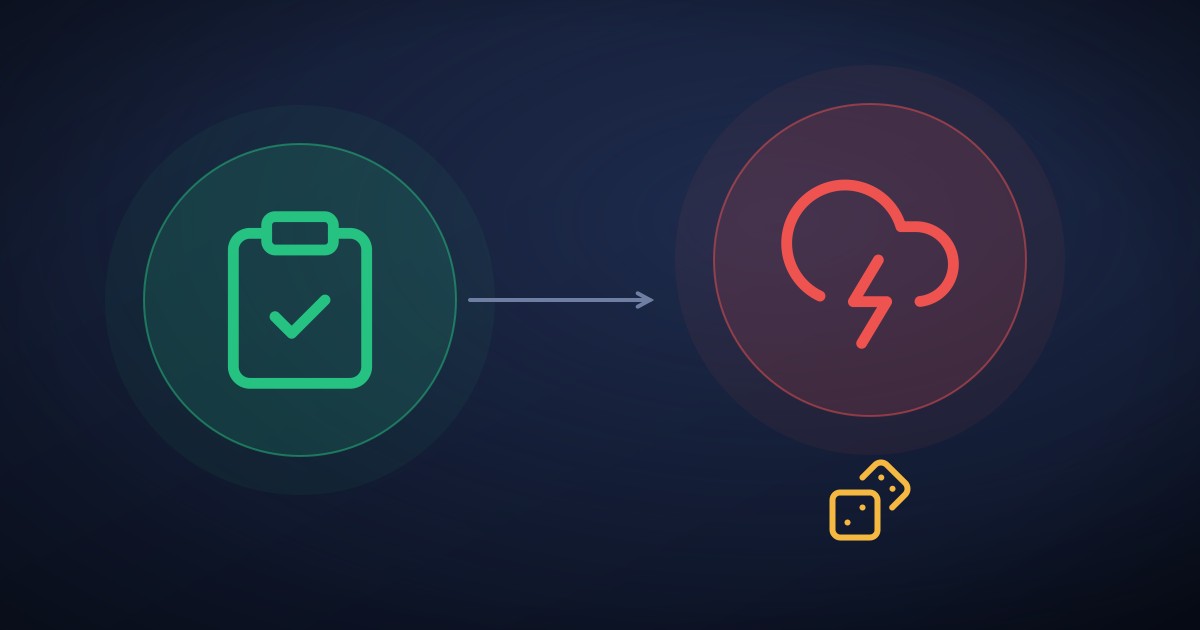
A manager can make a well-considered decision and still get a poor result when something difficult to foresee happens. An ill-considered gamble can also succeed because circumstances favor it. Judging decisions by outcomes alone risks teaching us more about luck than about good work. That does not remove accountability. It asks us to examine what…
-
Marketing Starts Before the Advertisement
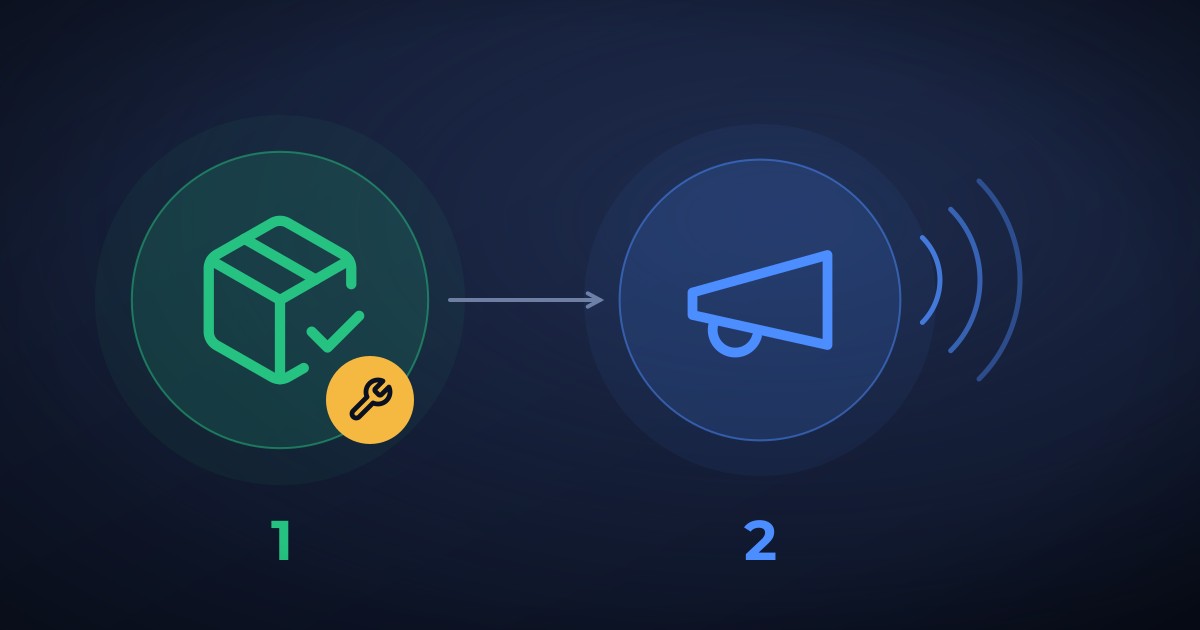
By the time an advertisement reaches a customer, many decisions have shaped its chances: who the product serves, which problem it addresses, how it is priced, where it is available, and what happens after purchase. Advertising can draw attention to an offer. It cannot, on its own, repair a confusing proposition or an unreliable service.…


