
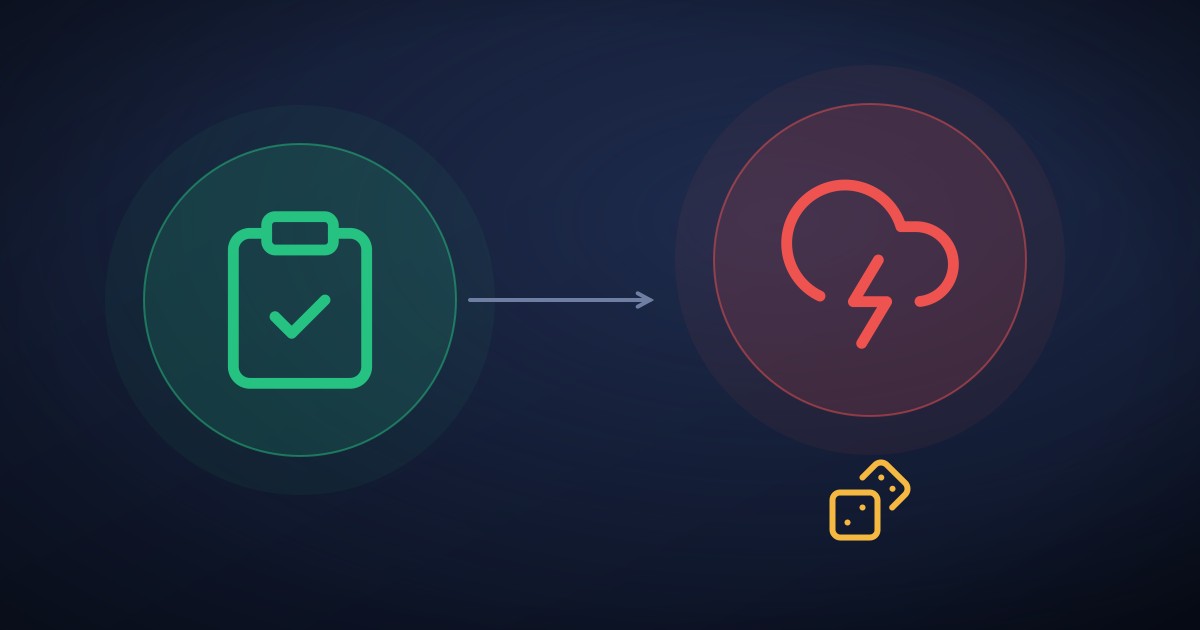
A manager can make a well-considered decision and still get a poor result when something difficult to foresee happens. An ill-considered gamble can also succeed because circumstances favor it. Judging decisions by outcomes alone risks teaching us more about luck than about good work.
That does not remove accountability. It asks us to examine what was available at the time: information, alternatives, overlooked risks, and the approval process. Was the judgment reasonable? Did the team recognize the limits of its knowledge? Was there a way to respond if things went wrong? We then examine execution and what changed after the start.
Write a short note before an important decision, recording the reasons, expectations, assumptions, and conditions that might justify reversing it. Return to that note after two or six months instead of reshaping your memory to fit the outcome. You may find that you understood demand correctly but underestimated delivery time. That is more useful than labeling the whole project good or bad.
Reviewing decisions this way gives people a reason to be honest. It does not promise freedom from consequences, but it makes accountability useful for learning and improvement. Next time, the team has a real record to draw on, rather than a carefully selected success story or a loss everyone avoids mentioning.
القرار الجيد قد ينتهي بنتيجة سيئة
أحيانًا يتخذ مدير قرارًا مدروسًا، ثم يحدث ما لم يكن ممكنًا توقعه بسهولة، فتأتي النتيجة سيئة. وفي المقابل، قد تنجح مغامرة غير محسوبة لأن الظروف ساعدتها. إذا حكمنا على القرارات بالنتائج وحدها، سنتعلم من الحظ أكثر مما نتعلم من العمل.
هذا لا يعفي أحدًا من المسؤولية. لكنه يدعونا إلى تقييم ما كان متاحًا وقت الاختيار: المعلومات، والبدائل، والمخاطر التي جرى تجاهلها، وطريقة اعتماد القرار. هل كان التقدير معقولًا؟ هل عرف الفريق حدود معرفته؟ هل وضع مسارًا للتعامل مع الخطأ؟ ثم ننظر إلى التنفيذ وما طرأ بعد البداية.
من المفيد كتابة مذكرة قصيرة قبل القرار المهم. تسجل السبب والتوقعات والافتراضات وما الذي قد يدعونا للتراجع. بعد شهرين أو ستة، نعود إليها بدلًا من إعادة صياغة ذاكرتنا بما يناسب النتيجة. قد نكتشف أننا كنا محقين في فهم الطلب ومخطئين في تقدير مدة التنفيذ. هذا درس أكثر فائدة من إعلان أن المشروع كان جيدًا أو سيئًا بالكامل.
المؤسسة التي تراجع قراراتها بهذه الطريقة تمنح الناس سببًا للصدق. لا تعدهم بأن الخطأ بلا حساب، لكنها تجعل الحساب قائمًا على ما يمكن تعلمه وتحسينه. وفي المرة التالية، يكون أمامهم سجل حقيقي يساعدهم، لا مجرد قصة نجاح منتقاة أو خسارة يخجل الجميع من ذكرها.

