
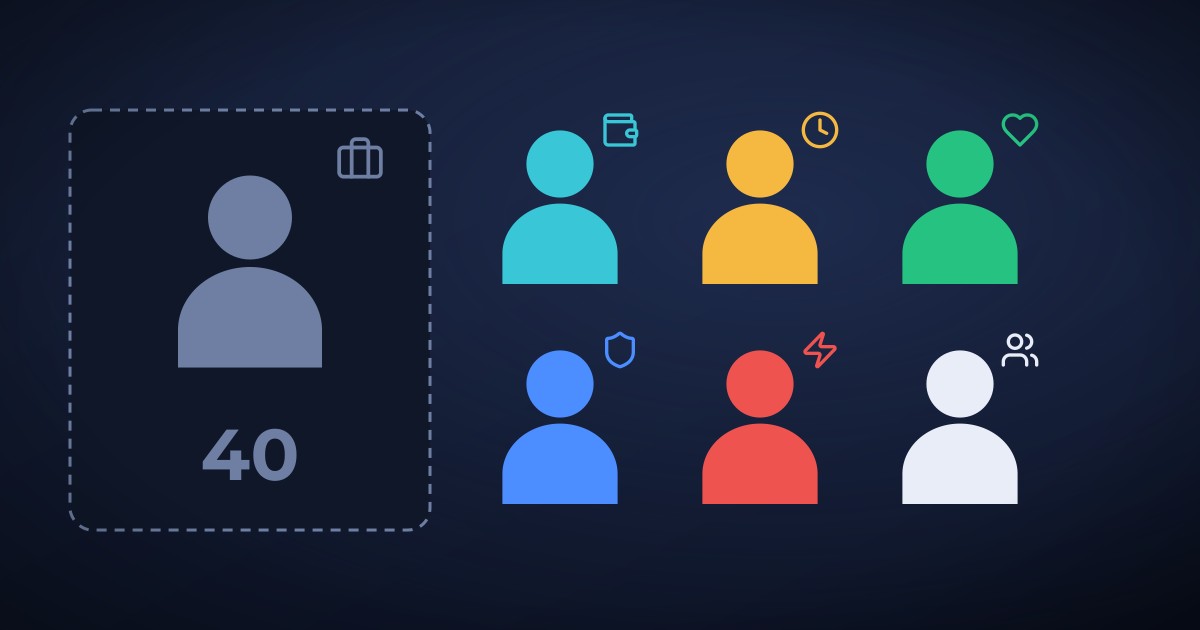
“A forty-year-old manager living in a large city.” That description may help us reach an audience. It cannot reliably tell us what this person fears, how they think, or why they will buy. The distance between available data and an invented personality can be surprisingly large.
The problem grows when a customer persona includes precise details that sound like interview findings but are guesses. A name, photograph, and imagined interests circulate among teams and start shaping messages and decisions. A polished presentation can lend an assumption authority it has not earned.
I use personas as hypotheses to organize research. Beside an expected behavior, record how we know it or how we will test it. Begin with a recognizable pattern of need or use, then examine differences within the group. Two people with the same job may have very different budgets, priorities, and freedom to decide.
Respecting customers means leaving room for them to surprise us. Interviews, observation, and actual purchases can correct a comfortable but inaccurate picture. A persona becomes more useful as evidence improves. Adding imagined detail may simply make us better at talking to someone we created, while failing to hear the person who will pay for the product.
لا تختصر إنسانًا في عمره ووظيفته
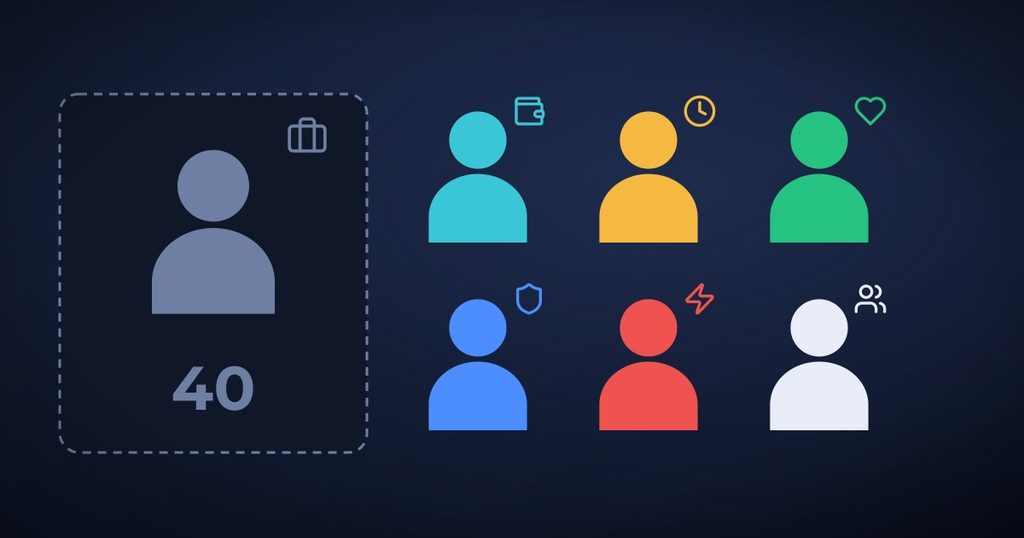
«رجل في الأربعين، مدير، يعيش في مدينة كبيرة». هذا وصف قد يساعد على الوصول إلى جمهور، لكنه لا يخبرنا بثقة عما يخافه هذا الرجل أو كيف يفكر أو لماذا سيشتري. المسافة بين البيانات المتاحة والشخصية التي نخترعها قد تكون أكبر مما ننتبه إليه.
تزداد المشكلة حين نكتب شخصية عميل بتفاصيل دقيقة تبدو كأنها مأخوذة من مقابلة، بينما هي تخمين. يصبح الاسم والصورة والاهتمامات المفترضة مادة تتناقلها الفرق، ثم تُبنى عليها رسائل وقرارات. الدقة في العرض قد تمنح الافتراض سلطة لا يستحقها.
أستخدم شخصيات العملاء كفرضيات تساعد على تنظيم البحث. أكتب بجوار كل سلوك متوقع كيف عرفناه، أو كيف سنختبره. قد نبدأ من نمط واضح في الاحتياج أو الاستخدام، ثم نراجع الفروق بين الأشخاص داخل المجموعة. موظفان في الوظيفة نفسها قد يختلفان في الميزانية والأولوية وحرية القرار اختلافًا كبيرًا.
احترام العميل يبدأ من ترك مساحة له كي يفاجئنا. المقابلات والملاحظة والشراء الفعلي قد تعدّل تصورًا مريحًا للفريق لكنه بعيد عن الواقع. كلما اقتربت الشخصية من الأدلة، أصبحت مفيدة. أما كثرة التفاصيل المتخيلة، فقد تجعلنا نحسن الحديث مع إنسان صنعناه نحن، ولا نستمع لمن سيدفع ثمن المنتج.

