-

Does the customer stay by choice or because leaving is difficult
Repeat purchases are welcome, but they need interpretation. A customer may return because the service is trusted, alternatives are distant, moving data is expensive, or there has been no time to look elsewhere. The report records the same outcome; the relationships have very different prospects. If we treat every return as affection, we may stop…
-
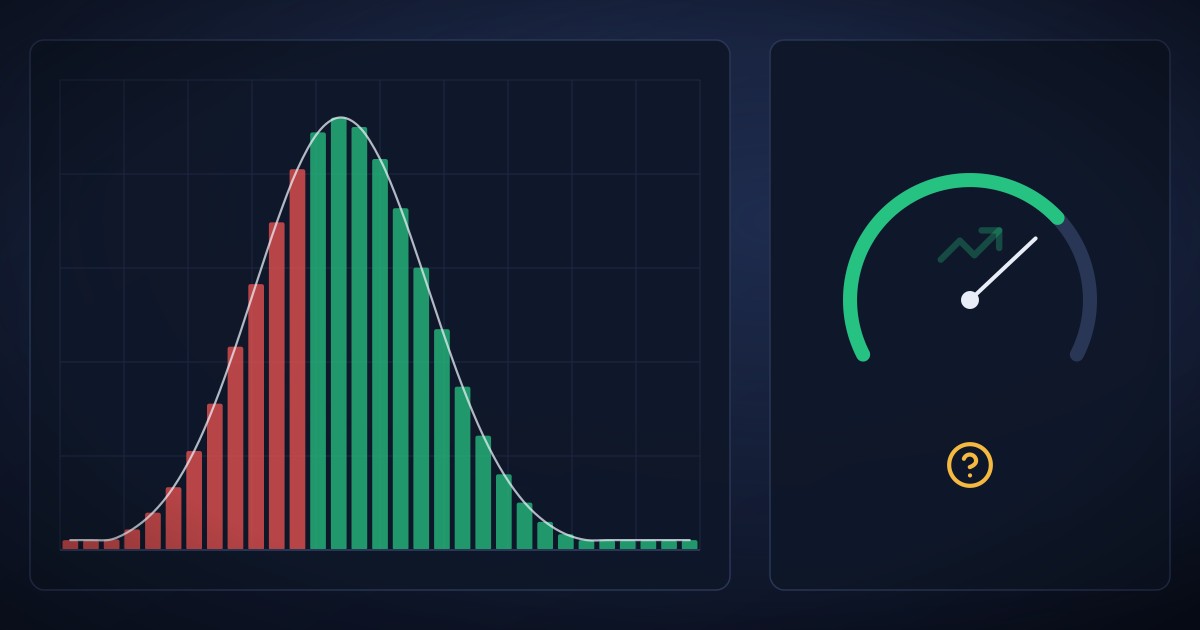
Giving Probability More Meaning Than It Has
A figure such as seventy percent can look decisive beside an upward arrow. Its meaning depends on how it was obtained and which event it describes. Is it a weight derived from historical analogues, or a probability calibrated using independent observations? In the book’s simplified laboratory, directional weights are not independently calibrated success probabilities. They…
-

When a Market Becomes Too Broad to Help
Defining a market as “everyone who uses the internet” makes a pitch look impressive. It does little to help a sales team decide whom to call first. A useful market definition identifies a specific problem, relevant alternatives, and a geographic and time horizon the business can address. It then separates overall need from the people…
-

A small segment can contain very different people
A small factory manager and an online shop owner may share a critical need: neither can afford a service interruption during working hours. Two neighboring factory managers may differ because one has a backup. Segmenting by industry alone could miss the distinction that drives the purchase. Useful segmentation groups customers whose needs call for a…
-
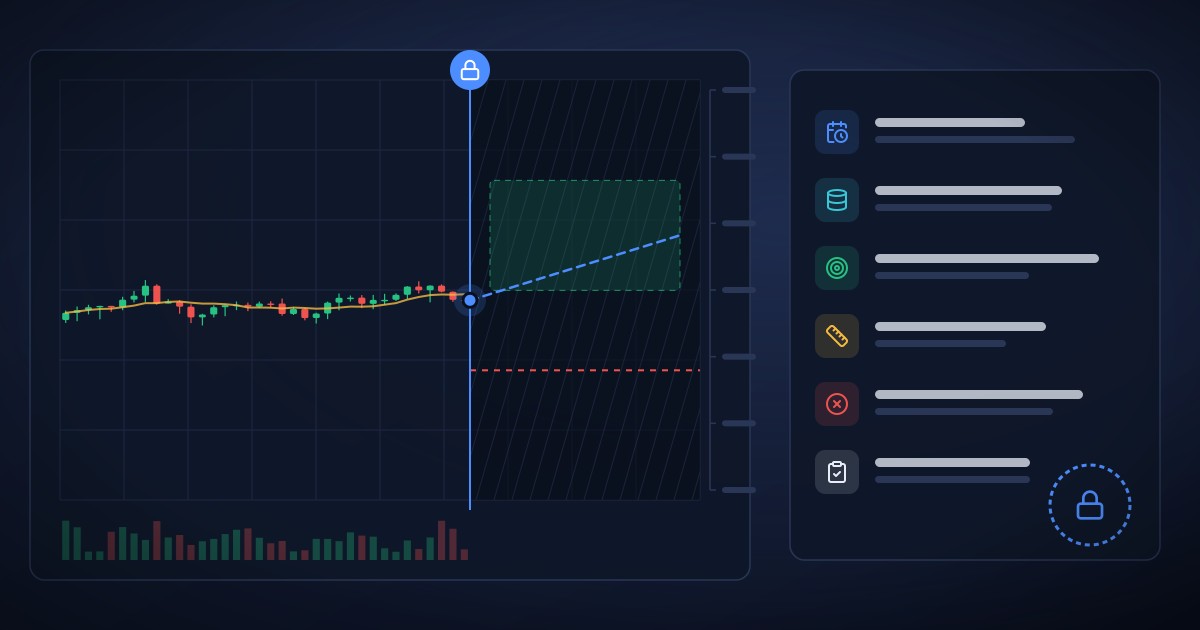
Write the Reading Before the Outcome
We readily remember levels that price respected and forget those it crossed. Over time, memory can appear more accurate than the original record. A reading journal reduces that distance by preserving what was known before the outcome. Record the observation date, available price, data source and model conditions. Add the expected range, the review point…
-
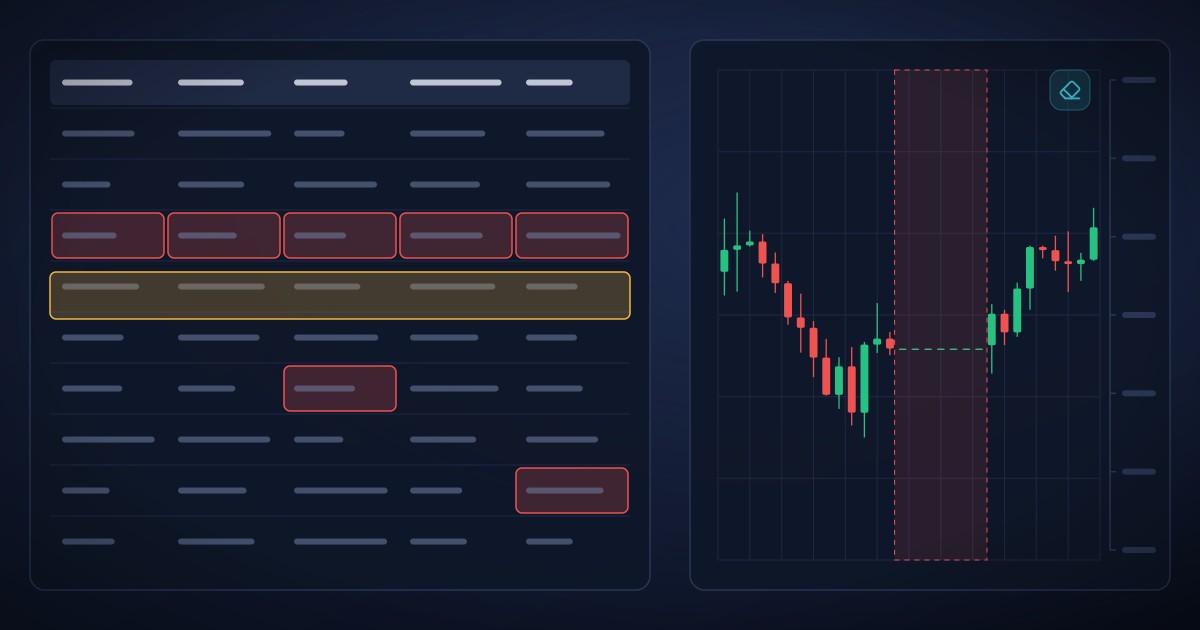
The Cleaning a Dataset Deserves
A duplicate row or a missing session can change a segment’s age and confirmation date. Filling a gap with the previous price may even create an appearance of calm that never occurred in trading. Before applying a model, check chronological order, duplicate observations, implausible values and the treatment of price adjustments. A missing observation should…
-
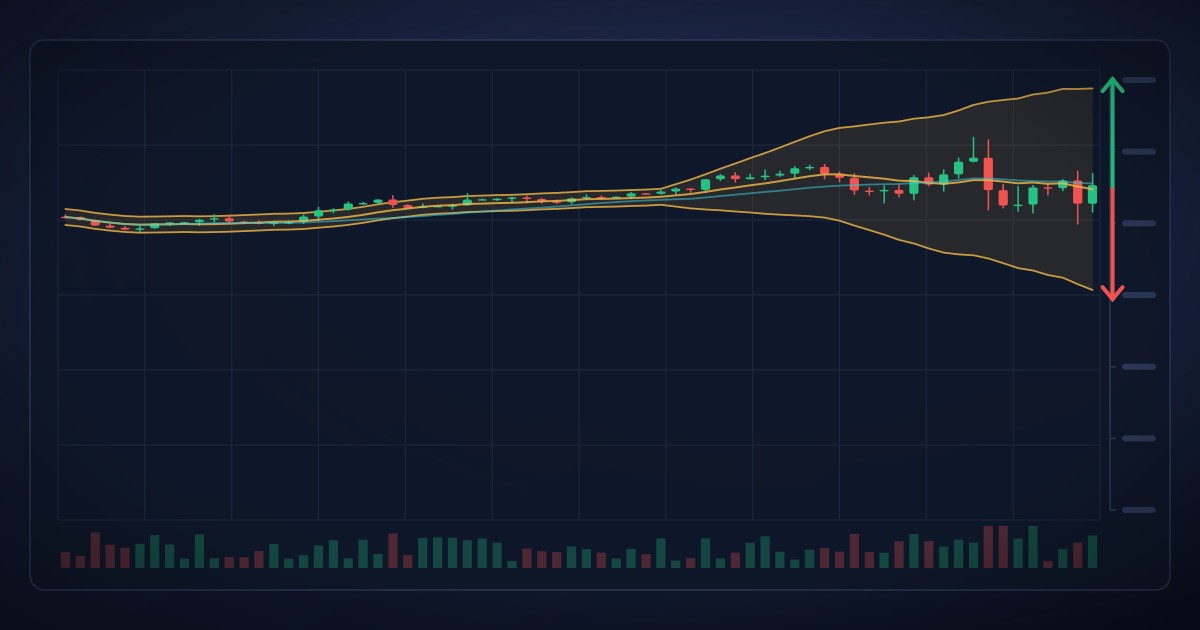
Volatility Does Not Choose a Direction
Higher volatility means a wider range of possible movement. Price may rise sharply, fall sharply or swing between the two. Describing a market as more active does not establish a bullish or bearish view. CCGO keeps the scale of movement separate from its directional estimate. Volatility can help standardise measurements, influence the width of a…
-
Who Did Not Answer the Survey
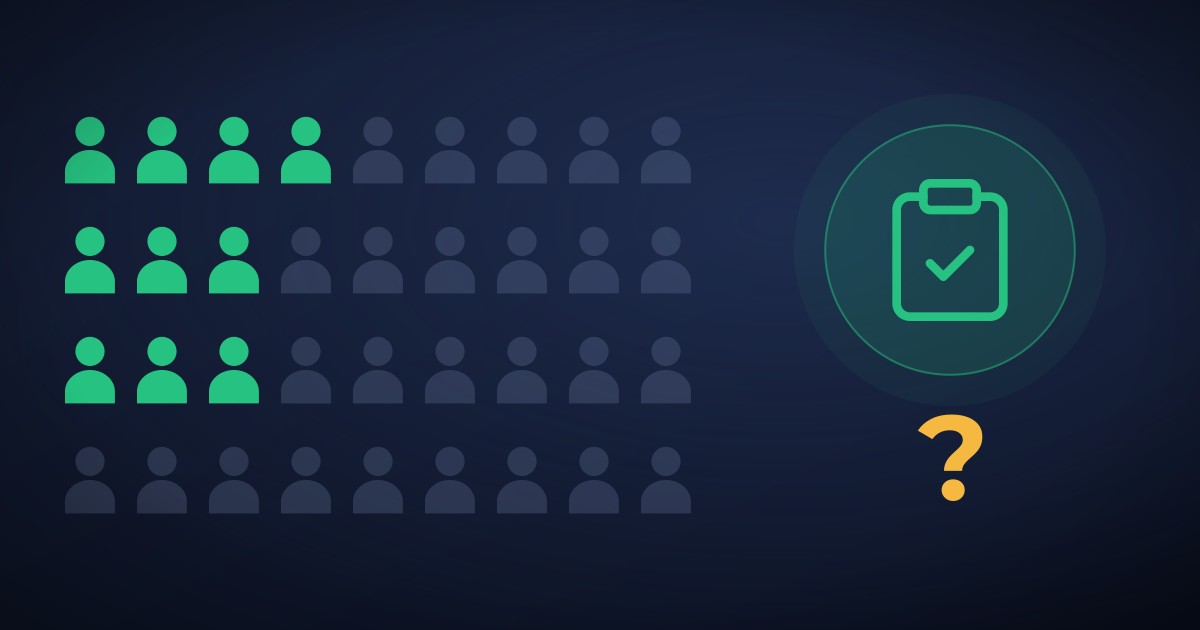
Customers returned encouraging survey answers, and the team felt reassured. Yet respondents may have been the most satisfied, the least busy, or the most frequent users. What about those who left without saying anything? Easy access should not determine whose experience counts. Compare respondents with the customer base, look for missing groups, and explain the…
-

A Customer Interview Is Not a Sales Pitch
If we enthusiastically explain an idea and then ask whether a customer likes it, we are partly testing their willingness to be polite. A more useful interview starts with something that actually happened: the last time the problem arose, what the person did, what they paid, and what frustrated them. Explain the proposed solution after…
-

The Competitor Without a Company Name
Competition maps usually place similar companies beside one another. Customers may be comparing something quite different: a manual process, repairing what they own, or postponing the purchase altogether. A scheduling system sometimes competes with a paper diary that employees understand well. Winning that customer requires knowing why the diary feels sufficient and what makes a…


