-
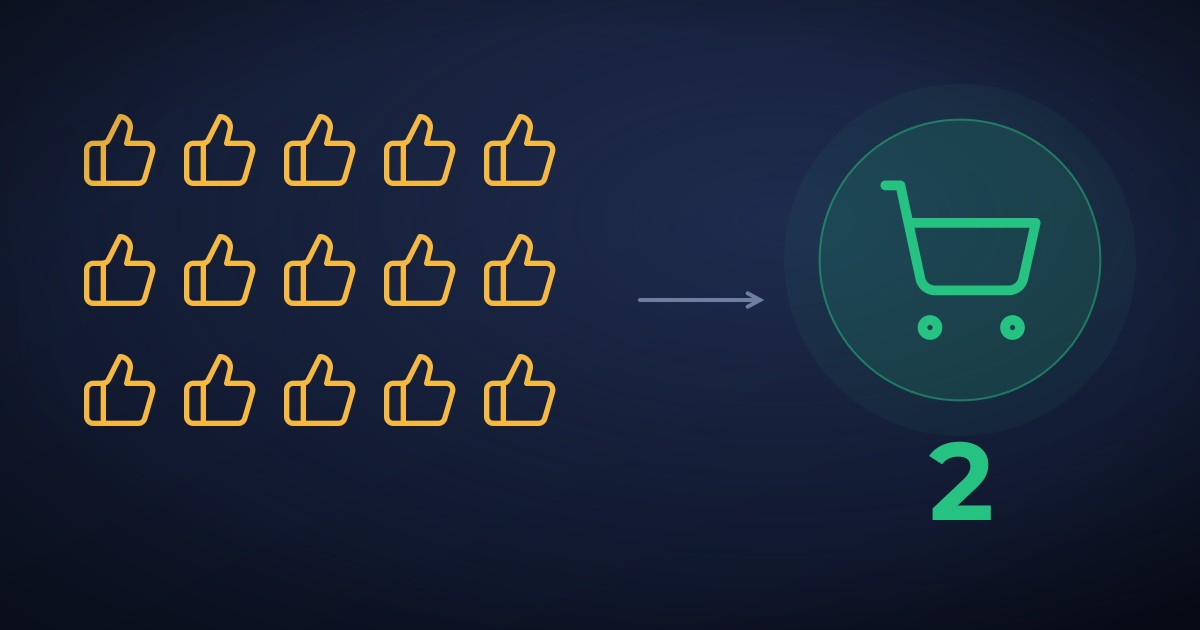
Ask more than whether people like the idea
“It’s a great idea” is easy to hear when we ask friends or customers about a possible service. The response may be sincere. It does not answer the commercial question: will they choose this service at its actual price and terms when alternatives are available? Politeness is one explanation. There is also a normal gap…
-
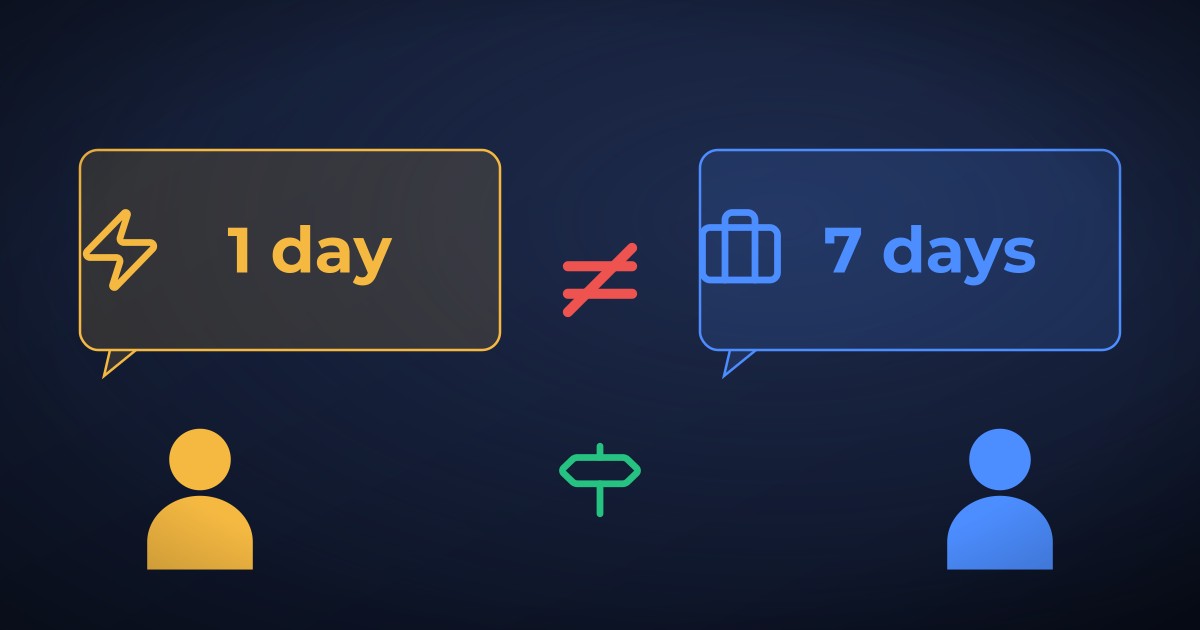
Some customers need a different offer
Telling an interested customer that your offer may not suit them is difficult. There is a sales target, an acquisition cost, and an understandable wish to close. But agreement built on conflicting expectations can create a problem larger than the sale is worth. Imagine a company that delivers a structured service in a week. The…
-

Help customers explain the purchase inside their company
The person you meet may be convinced by an offer and still struggle to explain it to a manager. They lack a clear cost calculation, an answer about implementation risks, or a comparison with the current alternative. The deal stalls after a good meeting, and the seller doubts whether the enthusiasm was real. In business…
-
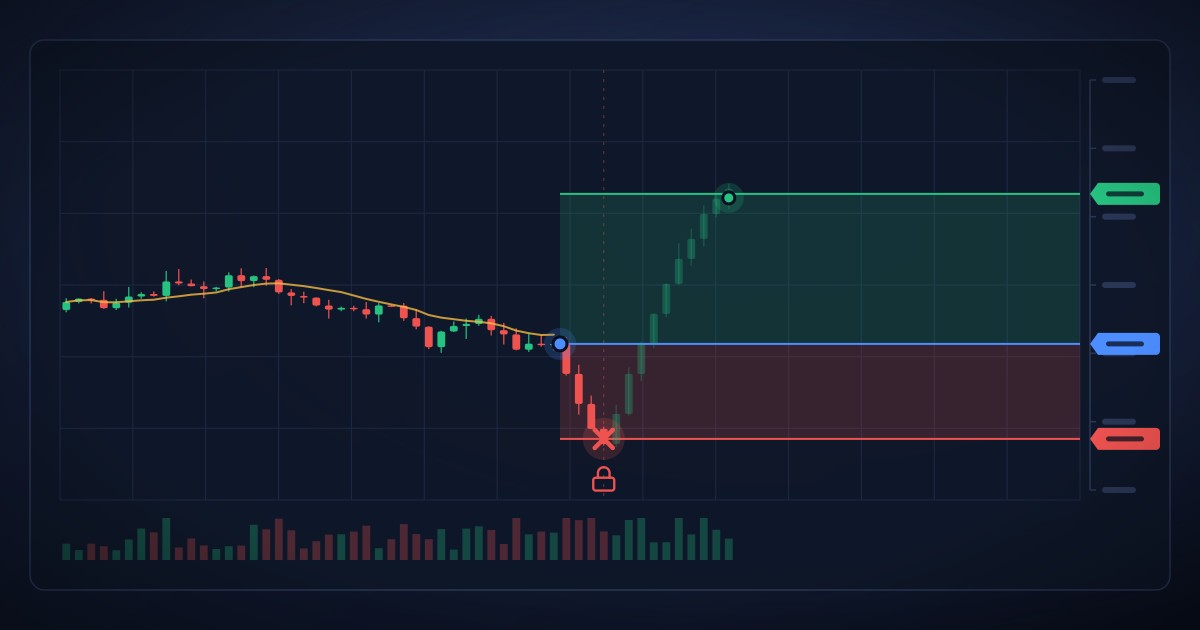
Ending Higher Does Not Mean Winning First
Price can finish above the reading level after first falling through a protective stop. The probability of a positive return at an endpoint therefore differs from the probability of reaching a target before a stop. One question concerns the destination; the other concerns the journey. This distinction matters when turning CCGO outputs into a trading…
-
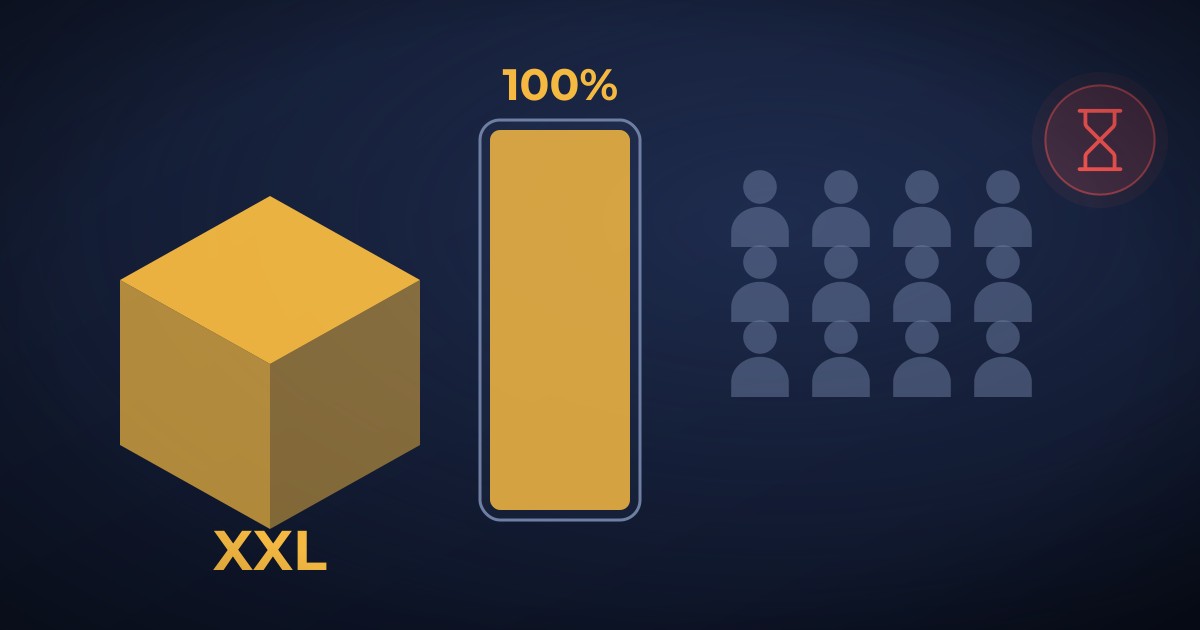
Choosing Customers Means Allocating Resources
Targeting a new segment can look like a straightforward marketing choice. It also consumes selling time, inventory space, after-sales support, and sometimes additional financing. Imagine a small company accepting highly customized orders because their invoice values are large. If those orders absorb most of the team’s capacity, other customers may wait despite generating better contribution…
-

How often must a customer explain the same problem
A customer describes a problem in a message, repeats it on the phone, and is then asked to send it to another email address. Every employee may be polite, yet the overall experience is exhausting. Courtesy cannot always compensate for wasting someone’s time. It is relatively easy to measure each department’s response speed. Following the…
-
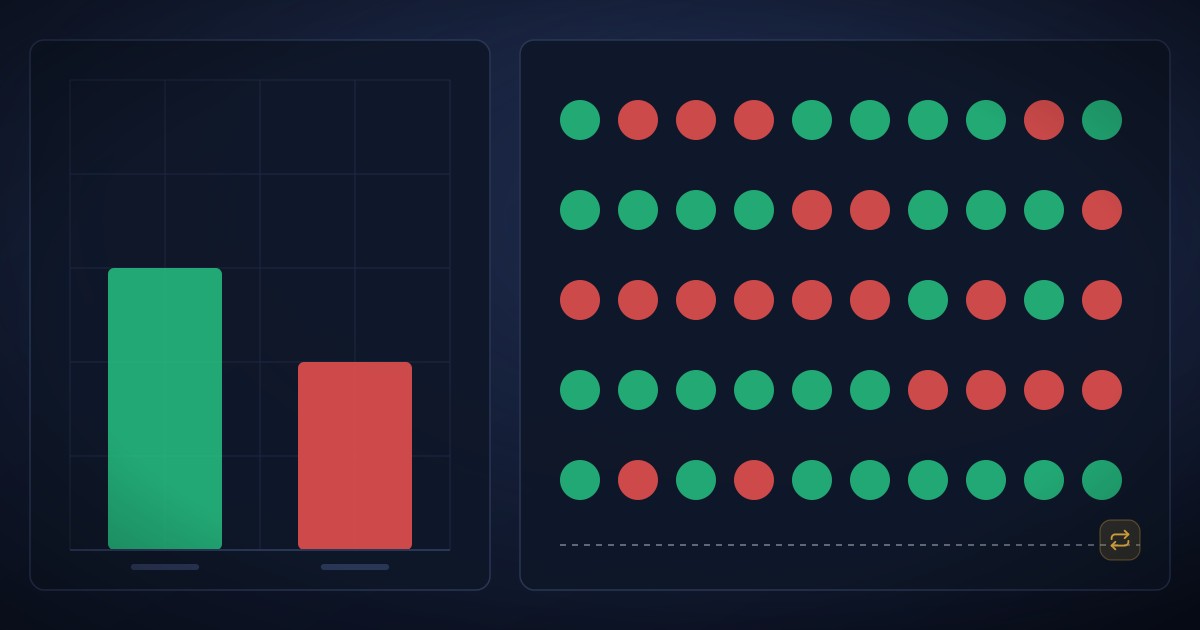
Why the Favoured Outcome Sometimes Loses
If an event truly has a calibrated sixty percent probability, the other outcome still has forty percent. Seeing the less likely outcome once does not disprove the estimate. Seeing the favoured outcome once does not validate it either. Evaluation requires a sequence of preserved forecasts and a comparison between stated probabilities and observed frequencies. Dependence…
-

The customer who left quietly
Complaints arrive by email and phone, so they are easy to see. Customers who stop buying without saying anything can disappear inside averages. We might celebrate fewer complaints while fewer people want to deal with us at all. Silence has many explanations. Some people do not want to discuss a small disappointment. Others believe complaining…
-
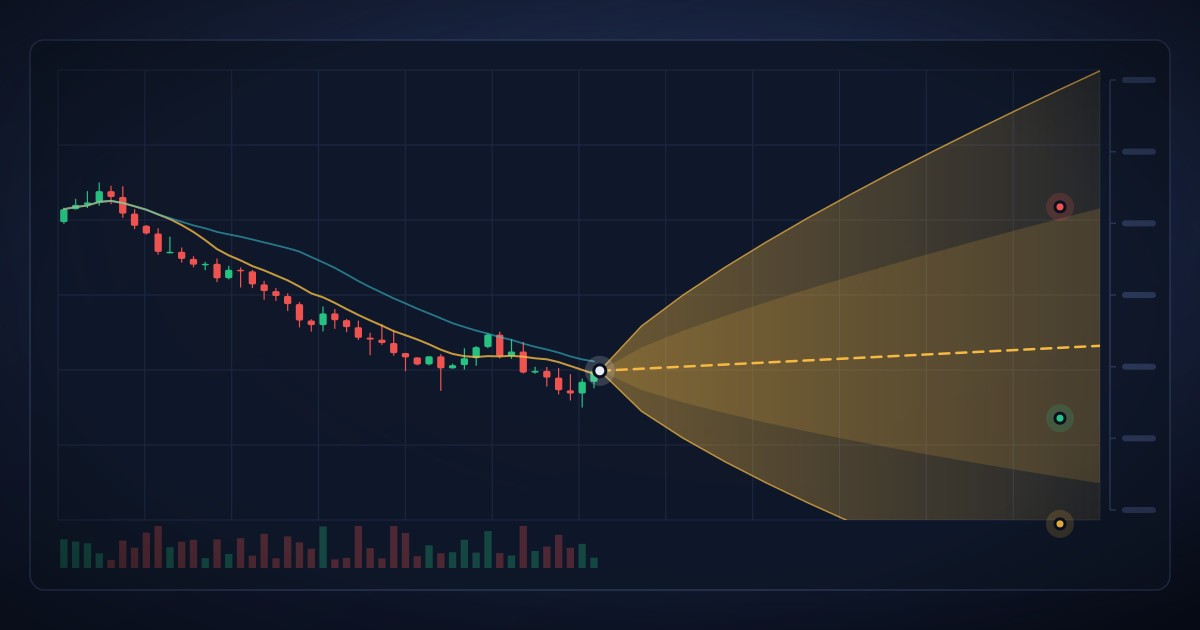
A Forecast Needs Room for Surprise
Reducing a forecast to one price removes useful information. Two models may share the same central estimate while one expects tightly clustered outcomes and the other allows a much wider range. The book therefore presents distributions and intervals alongside central values. The surrounding range shows how much the possible outcomes differ. It must still be…
-
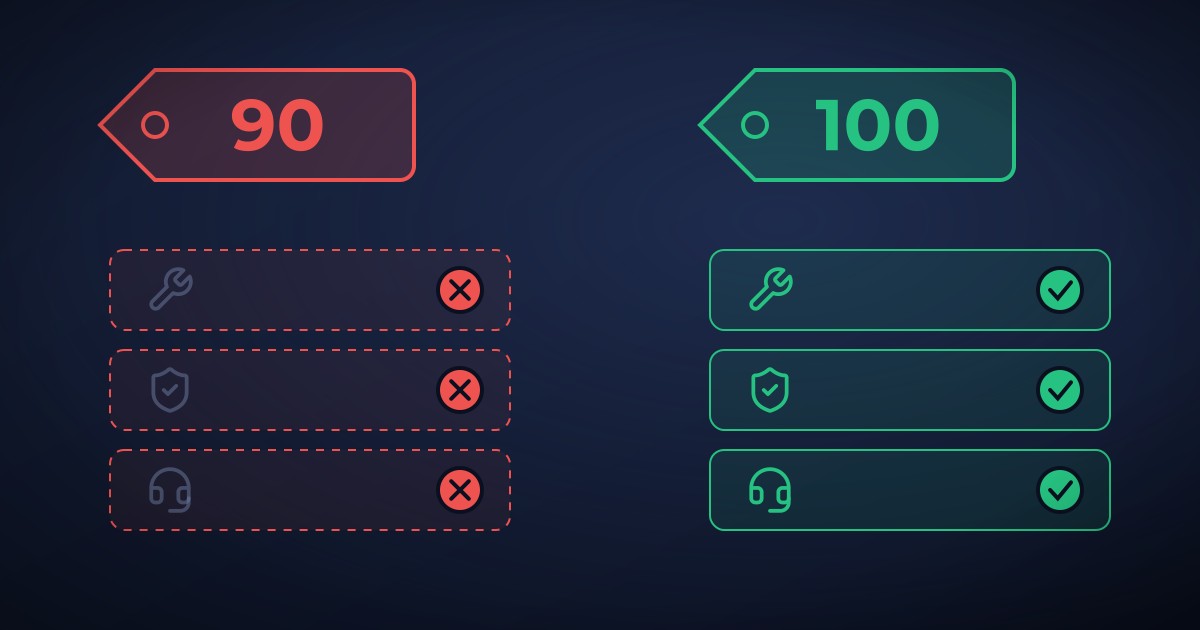
A Competitor’s Price Is Only the Beginning
A competitor may appear cheaper until we examine what the price includes: installation, warranty length, spare parts, response time, and payment terms. A fair comparison gathers those details from identifiable sources at a stated time. Missing information is not proof of weakness. An advertising claim is not automatically verified performance. The purpose is to understand…


