-
Where Rare Outcomes Hide
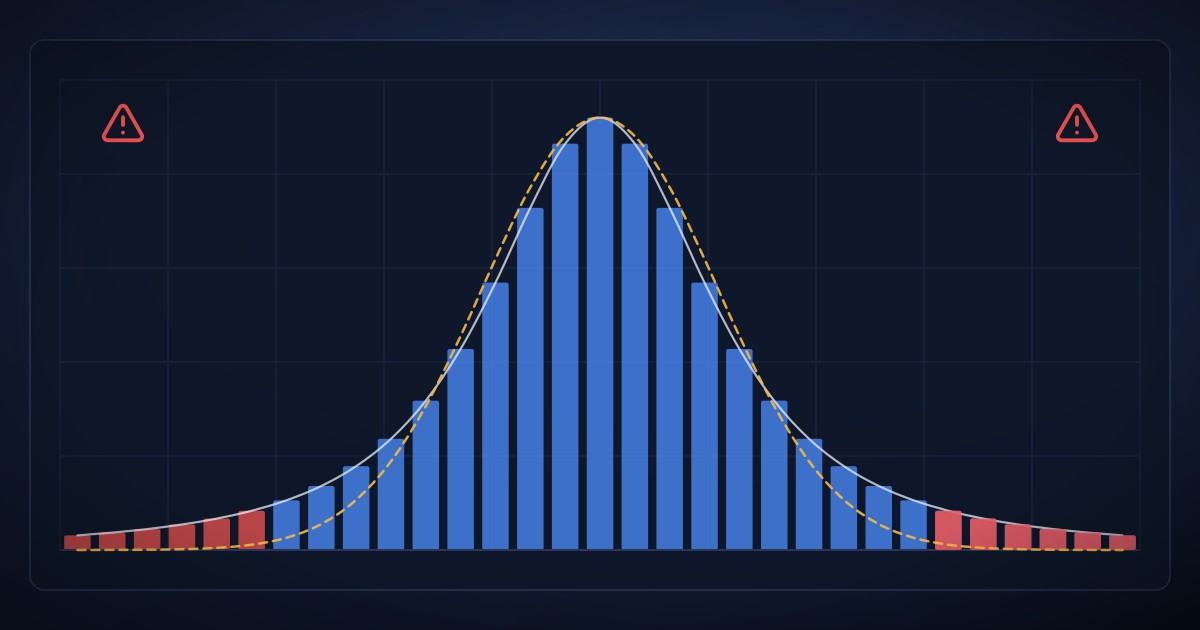
A rare outcome can matter more financially than many ordinary readings. That is why the tails of a distribution, the outcomes far from its centre, deserve attention alongside its central forecast. The book discusses distributions that allow heavier tails than a normal distribution. Selecting a distribution’s name is only a beginning; its parameters and suitability…
-
A Small Discount Can Demand Many More Sales
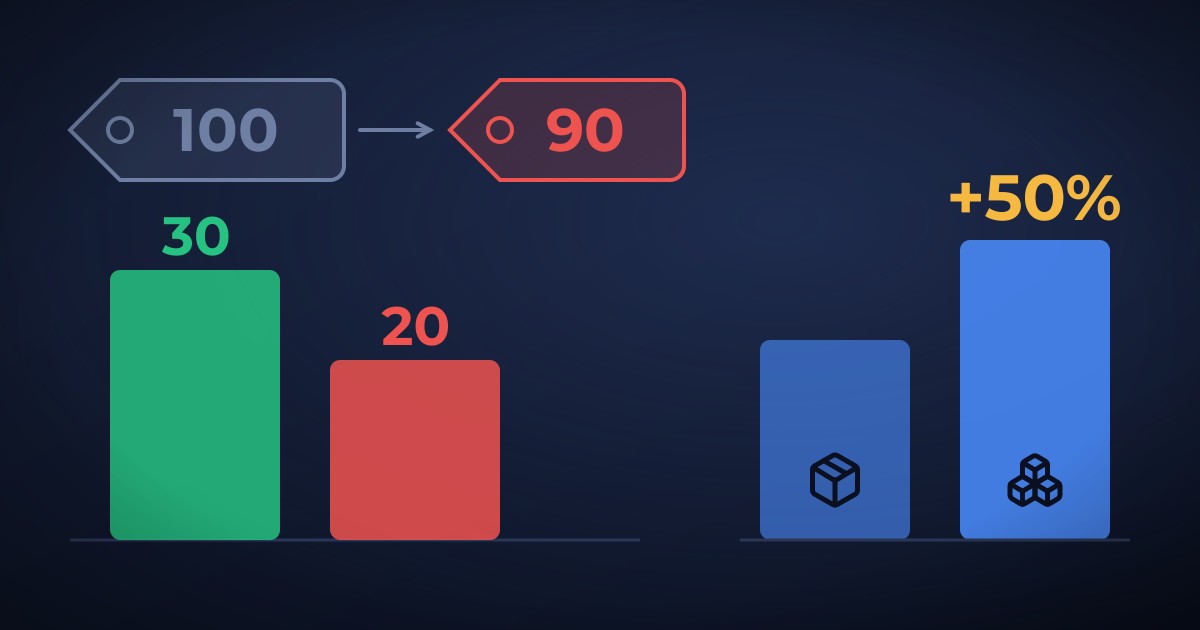
Suppose a unit sells for 100 and has a variable cost of 70. Its contribution is 30. Reduce the price to 90 while holding cost constant, and contribution falls to 20. Maintaining the same total contribution now requires 50 percent more units, before any additional campaign or expansion costs. A modest-looking price reduction has a…
-

Why a customer might choose the higher price
A customer may reject a cheaper offer because of costs absent from the invoice. Late delivery can disrupt operations, missing support can consume staff time, and errors can require work to be repeated. Price matters within a broader calculation that differs between customers. That does not allow a seller to assume the more expensive offer…
-
When an Average Hides Two Different Outcomes
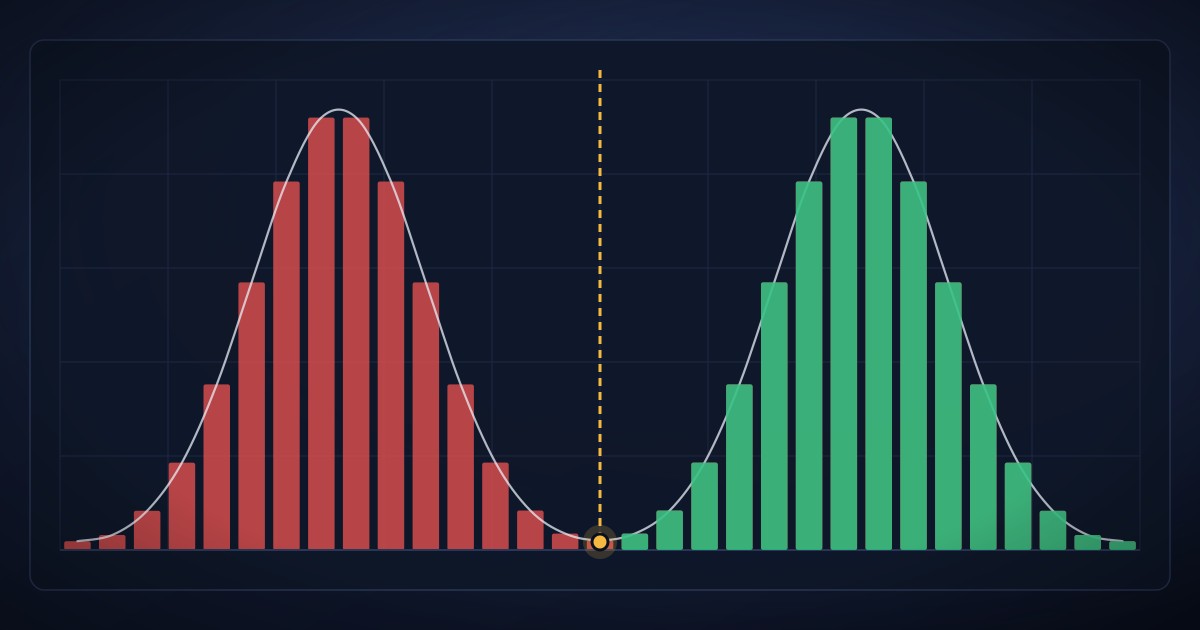
In a hypothetical sample, some comparable cases may cluster around a clear rise and others around a clear decline. Their average can sit at a level few cases approached. The arithmetic is correct, but the summary misses the distribution’s shape. A mixture distribution preserves this difference. Its variance includes dispersion within each group and the…
-
A Large Invoice Can Leave a Small Return
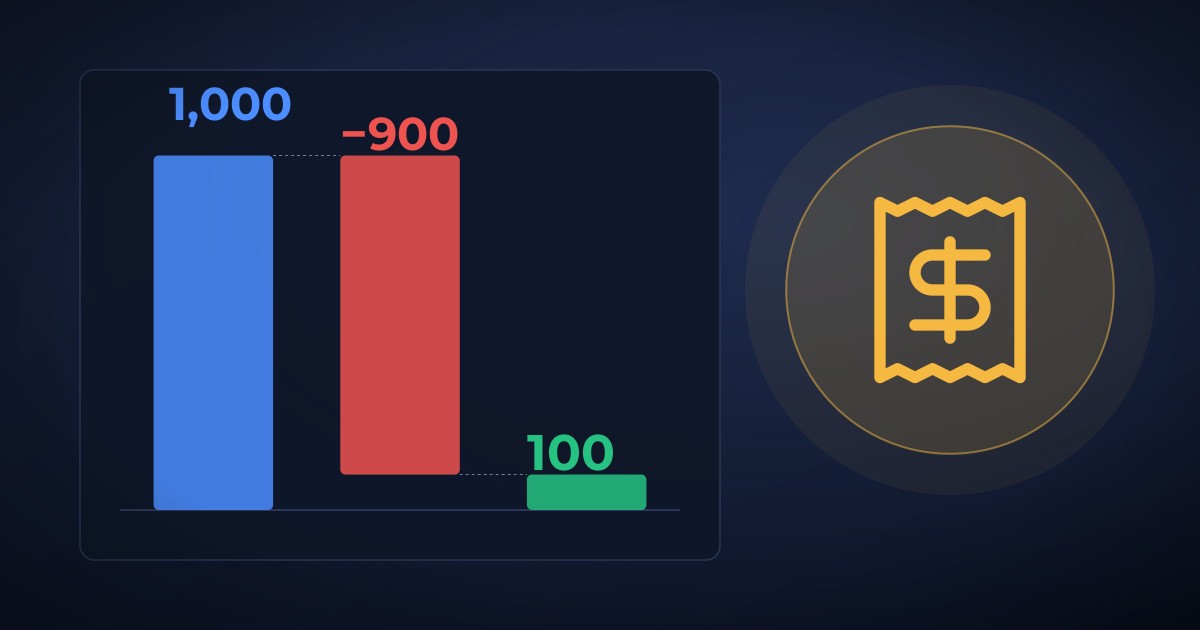
An invoice attracts attention because of its size. What remains from it helps explain the decision. Deduct discounts, returns, and the variable costs associated with the sale, including service and delivery where applicable. In a hypothetical example, revenue of 1,000 with variable costs of 900 leaves a contribution of 100 before fixed costs. A smaller…
-
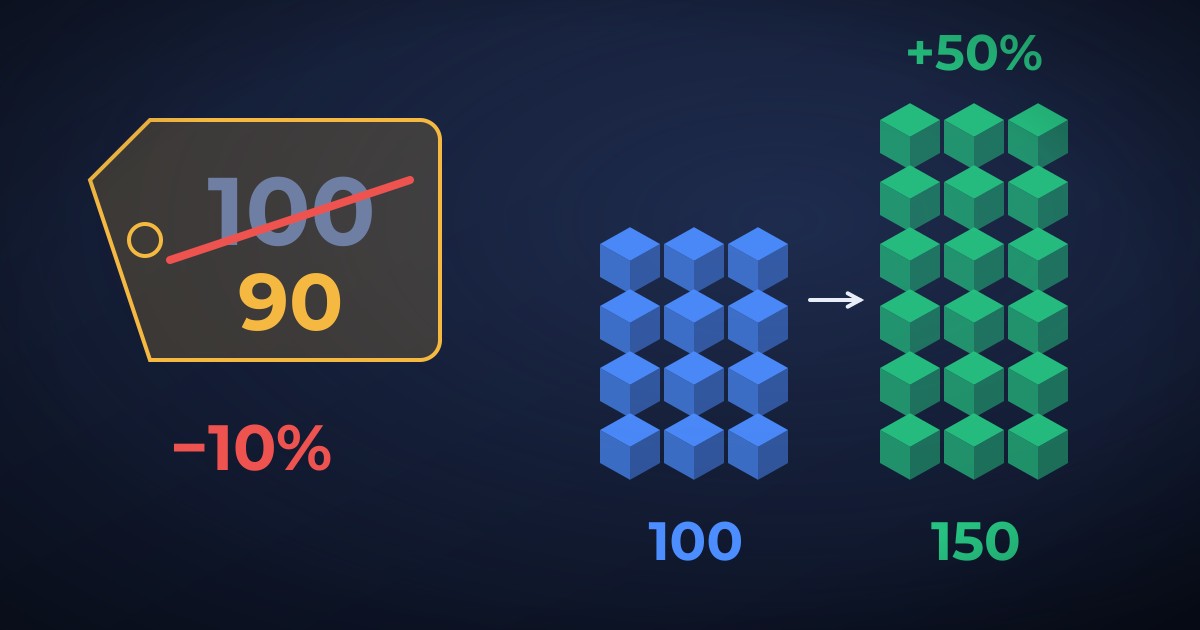
A small discount can require a lot more sales
Ten pounds may seem a small concession in a price negotiation, yet it can consume a large share of what the company retains from each unit. Looking only at the discount as a percentage of price obscures its effect. In a simplified hypothetical example, a product sells for EGP 100 and has a variable cost…
-
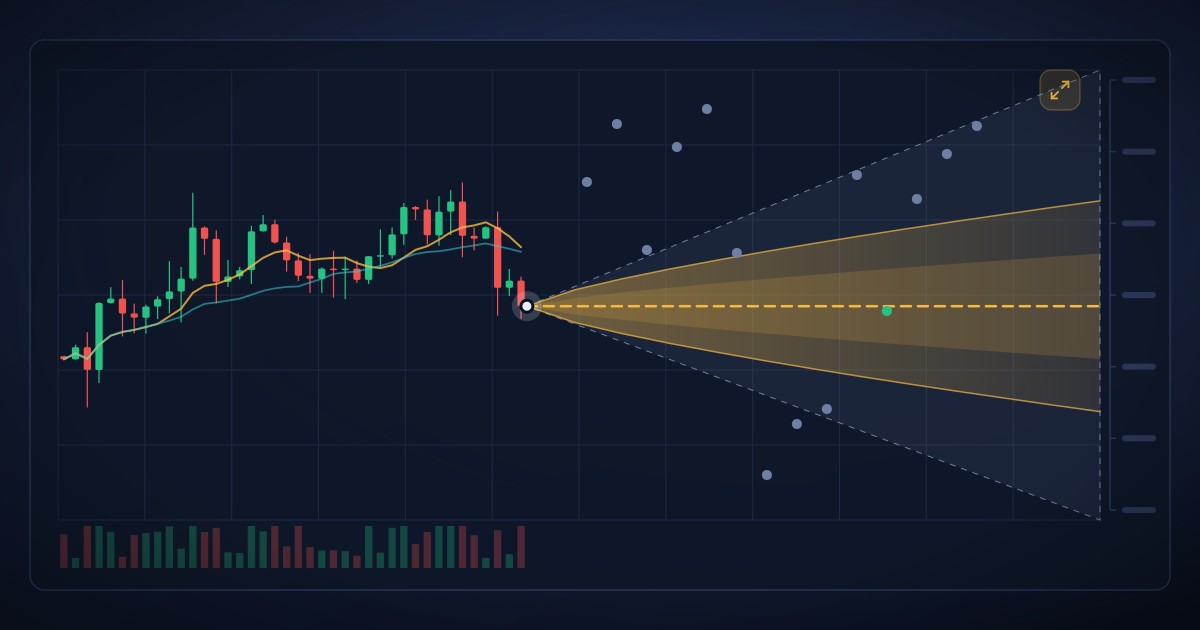
An Interval Can Be Too Easy to Hit
An enormous interval can contain most outcomes while offering little help with a decision. A high containment rate alone does not tell the whole story. Interval evaluation considers both observed coverage and width. An interval intended to contain eighty percent of outcomes needs many forecasts before its coverage can be judged, with attention to the…
-

The Customer Journey After the Sale
For the team, the task may feel complete when the sale closes. For the customer, new questions begin: when will it arrive, how do I use it, and whom do I contact if something goes wrong? This stage reveals the distance between a promise and its delivery. A clear follow-up message or brief training session…
-

The Logo Arrives First The Experience Stays
A customer may recognize a brand’s colors immediately. They are likely to remember how the business behaved when something went wrong: whether anyone answered, understood the issue, and kept the promised remedy. Visual identity supports recognition and consistency. Brand perceptions also develop through products, service, and other people’s accounts. A new logo cannot by itself…
-

Positioning Gives Customers a Clear Reason to Choose
“The best quality, price, and service” is so broad that it becomes difficult to test. Positioning needs a clearer choice: whom does the offer serve, in what situation, and with which meaningful benefit? If the promise concerns reducing downtime, what is the response time? What does coverage include? What demonstrates the ability to deliver? Those…


