

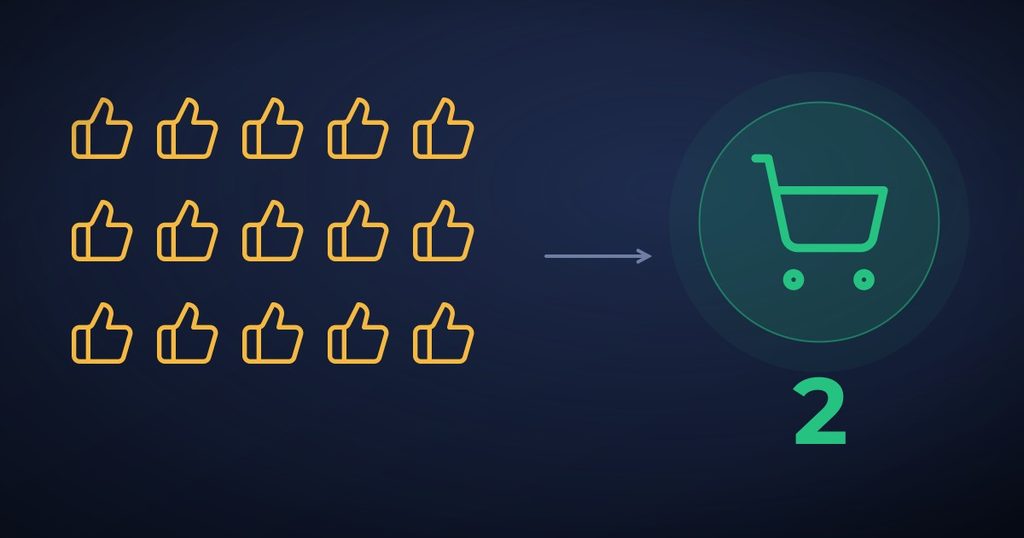
“It’s a great idea” is easy to hear when we ask friends or customers about a possible service. The response may be sincere. It does not answer the commercial question: will they choose this service at its actual price and terms when alternatives are available?
Politeness is one explanation. There is also a normal gap between imagining and doing. Someone may like faster delivery and select the cheaper option at checkout. They may call a feature essential and barely use it after purchase. Opinions need to be complemented by experience of an actual choice.
Present a clear description and realistic price to a defined segment, then observe a suitable action: requesting a trial, accepting a quote, or purchasing when the service is genuinely available. People should understand what they are trying. Do not manufacture orders or make promises you cannot fulfill. State the limits of a small trial, because early enthusiasts may behave differently from the wider market.
Afterward, ask why people accepted or declined. Numbers show what happened; conversations may help explain it. Together they allow adjustments before a large commitment. An idea deserves a fair test, including the possibility that it needs more change than its creators initially wanted to admit.
لا تسأل فقط إن كانوا يحبون الفكرة
«الفكرة ممتازة» عبارة يسهل سماعها عندما نسأل أصدقاءنا أو عملاءنا عن خدمة نفكر في تقديمها. قد تكون صادقة، لكنها لا تجيب عن السؤال الذي يهم المشروع: هل سيختارون هذه الخدمة بشروطها وسعرها عندما تتاح لهم بدائل أخرى؟
المجاملة أحد الاحتمالات، وهناك أيضًا فرق طبيعي بين التصور والسلوك. قد يعجب الشخص بخدمة توصيل أسرع، ثم يختار الأرخص عند الدفع. وقد يقول إن ميزة معينة ضرورية، ولا يستخدمها بعد الشراء. لهذا تحتاج آراء الناس إلى ما يكملها من تجربة فعلية.
يمكن عرض وصف واضح وسعر واقعي على شريحة محددة، ثم قياس خطوة مناسبة: طلب تجربة، أو قبول عرض، أو شراء حين تكون الخدمة متاحة فعلًا. يجب أن يعرف الشخص ما الذي يجربه، وألا نصنع طلبات وهمية أو وعودًا لا نستطيع تنفيذها. وإذا استخدمنا تجربة صغيرة، نعلن حدودها لأن سلوك أول المهتمين قد يختلف عن السوق الأوسع.
بعد التجربة، نسأل أيضًا لماذا اختار الناس أو رفضوا. الأرقام تخبرنا بما حدث، والمحادثات قد تساعدنا على فهمه. الجمع بين الاثنين يسمح بتعديل العرض قبل الالتزام الكبير. الفكرة تستحق فرصة عادلة في الاختبار، بما في ذلك فرصة أن نكتشف أنها تحتاج تغييرًا أكثر مما كنا نحب الاعتراف به.

