
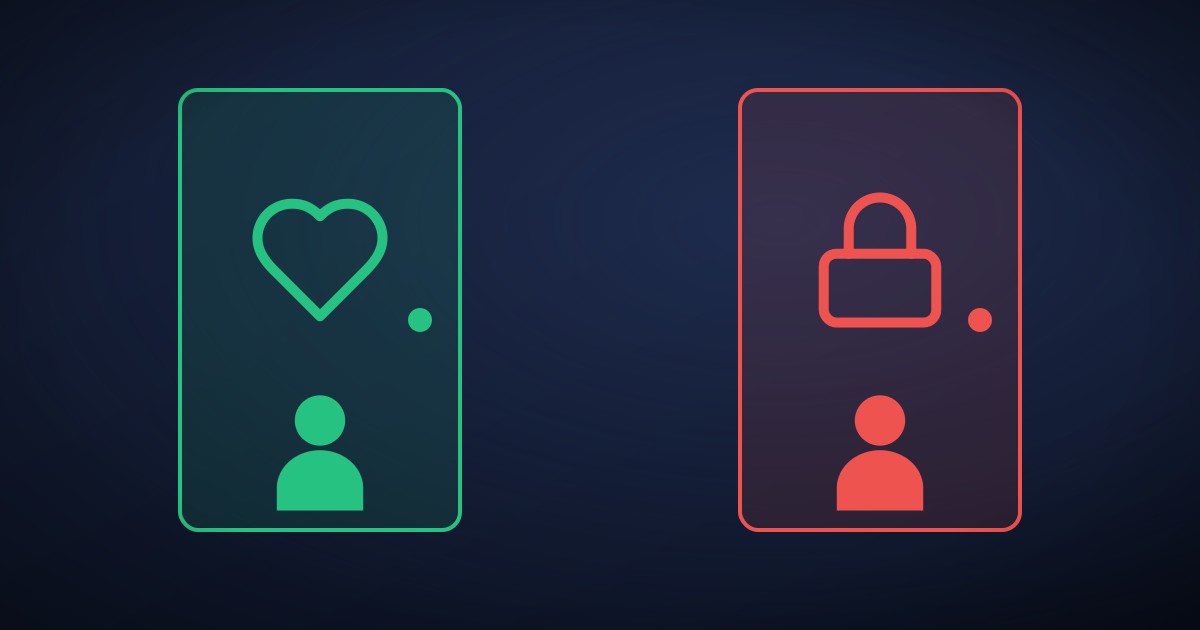
Repeat purchases are welcome, but they need interpretation. A customer may return because the service is trusted, alternatives are distant, moving data is expensive, or there has been no time to look elsewhere. The report records the same outcome; the relationships have very different prospects.
If we treat every return as affection, we may stop improving until an easier alternative appears. The departure then seems sudden, although dissatisfaction has been present for months. A customer might also give an acceptable survey score simply to finish the form, then describe a different experience when someone listens carefully.
Combine several signals. Ask why customers stay, review complaints and their resolution, and observe what happens when a genuine alternative becomes available. Do customers choose you without an exceptional discount? Do they renew after enough time using the service? Do answers differ by segment? No single question settles the issue, but together they reduce false reassurance.
The ease of leaving can help test the quality of a relationship. Understanding why staying is a choice makes forecasts more realistic. If customers remain because switching is difficult, there is still time to improve their reasons for wanting to stay. Retention should be a good experience for them too.
هل يعود العميل لأنه يحبك أم لأن الرحيل صعب
تكرار الشراء خبر طيب، لكنه يحتاج قراءة.
قد يعود العميل لأنه يثق بالخدمة، أو لأن البدائل بعيدة، أو لأن نقل بياناته مكلف، أو لأنه لم يجد الوقت للبحث. النتيجة واحدة في التقرير، بينما مستقبل العلاقة مختلف تمامًا.
إذا اعتبرنا كل عودة دليل محبة، قد نتوقف عن تحسين الخدمة حتى يصل بديل يسهل الانتقال إليه. عندها يبدو الفقد مفاجئًا، مع أن أسباب الضيق كانت موجودة منذ مدة. وقد يسجل العميل تقييمًا مقبولًا لأنه يريد إنهاء الاستبيان، بينما يحكي تجربة مختلفة إذا وجد من يستمع بتأنٍّ.
لفهم العلاقة، اجمع إشارات متعددة. اسأل عن سبب الاستمرار، وتابع الشكاوى وطريقة حلها، ولاحظ ما يحدث عند توفر بديل حقيقي. هل يختارك العميل دون خصم استثنائي؟ هل يجدد بعد تجربة استخدام كافية؟ وهل تختلف الإجابة بين شرائح الخدمة؟ هذه الأسئلة لا تنتج حكمًا نهائيًا بمفردها، لكنها تقلل الاطمئنان الخاطئ.
أفضّل أن نعامل سهولة الرحيل كاختبار لجودة العلاقة. كلما كان البقاء اختيارًا مفهومًا، استطعنا بناء توقعات أكثر واقعية. وإذا اكتشفنا أن العميل باقٍ بسبب مشقة الانتقال، فلدينا وقت لتحسين الأسباب التي تجعله يرغب في الاستمرار. الاحتفاظ بالعميل يستحق أن يكون تجربة جيدة له أيضًا.

