
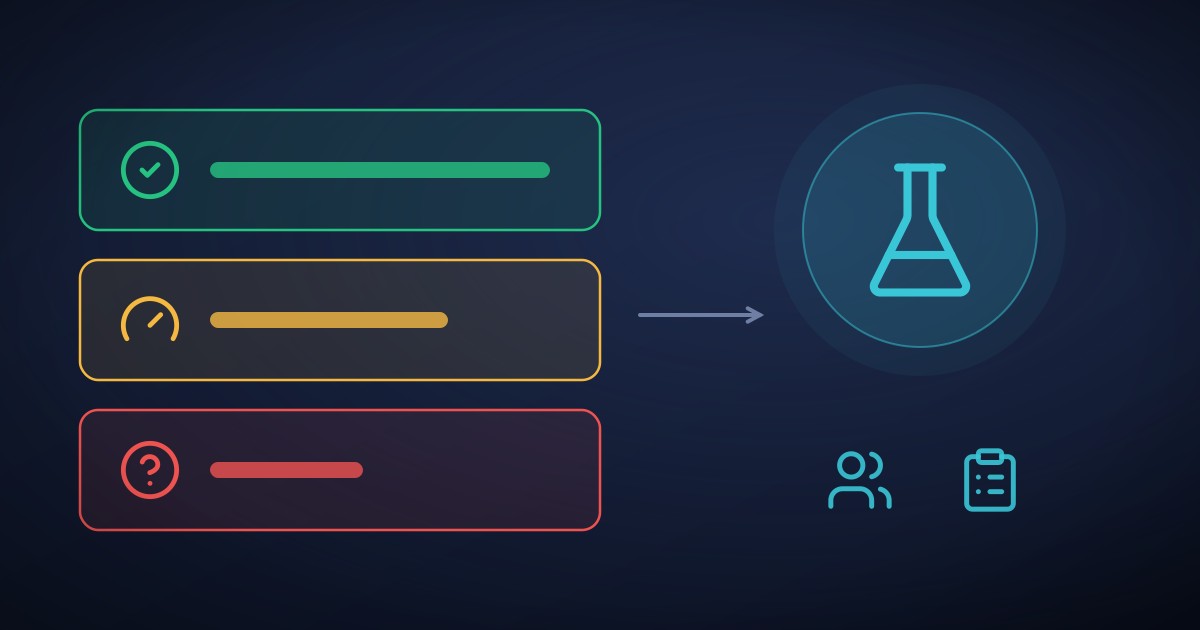
A manager does not need an immediate answer to every question. What matters is distinguishing established information from a reasonable estimate and an assumption that still needs testing.
“We do not know yet” should lead somewhere: customer interviews, a review of lost orders, or a limited trial. Then the phrase starts useful work rather than postponing it.
Good decisions rarely wait for complete certainty. They recognize uncertainty and decide how much risk is acceptable. They also identify which unanswered questions deserve attention before the organization commits more money or makes promises it may struggle to keep.
قوة عبارة لا نعرف بعد
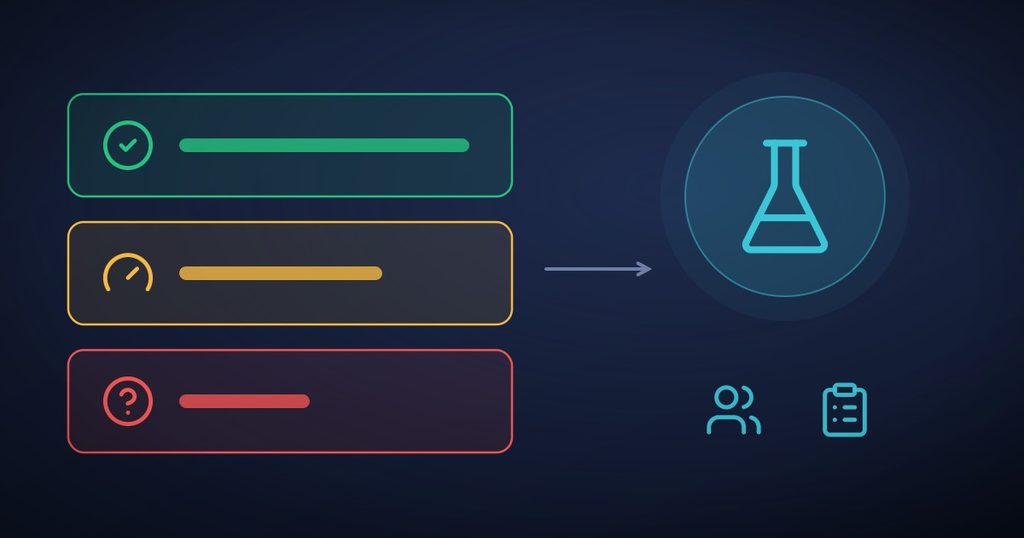
ليس مطلوبًا من المدير أن يملك إجابة فورية عن كل شيء. المطلوب أن يعرف الفرق بين معلومة مؤكدة، وتقدير معقول، وافتراض يحتاج إلى اختبار.
حين نقول «لا نعرف بعد»، ينبغي أن تتبعها خطوة: مقابلات مع العملاء، مراجعة لطلبات ضائعة، أو تجربة محدودة. عندها تصبح العبارة بداية عمل، لا مبررًا للتأجيل.
القرار الجيد لا ينتظر يقينًا كاملًا، لكنه لا يتنكر لعدم اليقين. يحدد ما يمكن تحمله من مخاطرة، وما يحتاج إلى معرفة إضافية قبل الالتزام بمال أكبر.


The distinction between established information, reasonable estimates, and untested assumptions is especially useful for making uncertainty actionable. A limited trial can often reveal more than prolonged debate—similar to using a https://png-to-stl.online conversion workflow to test an idea quickly.
The distinction between established facts, estimates, and assumptions is especially useful—pairing “we do not know yet” with customer interviews or a limited trial makes uncertainty actionable. A practical resource for testing growth assumptions is the Babylovegrowth tool.
The distinction between established information, estimates, and assumptions is especially useful—“we do not know yet” becomes productive when it leads to interviews, lost-order reviews, or a limited trial. For teams testing new tools, aisongs.art offers a practical example of turning uncertainty into a small, testable experiment.
The distinction between established information, estimates, and assumptions is a practical way to make “we do not know yet” actionable, especially when it leads to customer interviews or a limited trial. I’ve found an AI tool I’ve been using helpful for testing ideas before committing more resources.
The distinction between established information, estimates, and assumptions is especially useful—“we do not know yet” becomes actionable when it leads to customer interviews or a limited trial. For teams testing ideas quickly, check it out.
The distinction between established information, estimates, and assumptions is especially useful for managers making decisions under uncertainty. A limited trial can turn “we do not know yet” into actionable evidence, much like Ai3dgen helps test ideas quickly before committing to a larger investment.
The distinction between established information, reasonable estimates, and assumptions that still need testing is especially useful for managers. I’ve found that pairing “we do not know yet” with a small experiment—sometimes using an AI tool I’ve been using—turns uncertainty into a concrete next step.
The distinction between established information, reasonable estimates, and assumptions that still need testing is especially practical for managers. I also like the idea that “we do not know yet” should trigger customer interviews, lost-order reviews, or a limited trial—an approach that can be useful when evaluating this Neural4d app.
The distinction between established information, estimates, and assumptions is especially useful—“we do not know yet” becomes actionable when it leads to interviews or a limited trial. For testing visual ideas quickly, imgupscaler.site could support a low-risk experiment before committing to a larger decision.
The distinction between established information, estimates, and assumptions is especially useful—“we do not know yet” becomes actionable when it leads to customer interviews or a limited trial. A tool like this Readdy AI tool could help turn those assumptions into testable prototypes quickly.
The distinction between established information, estimates, and assumptions is especially useful—“we do not know yet” becomes productive when it leads to customer interviews or a limited trial. For testing ideas quickly, this Fakeyou AI tool could support a low-risk experiment before committing to a larger decision.
The distinction between established information, estimates, and untested assumptions is especially useful for avoiding false certainty in management decisions. A limited trial can turn “we do not know yet” into actionable evidence—much like using Image to 3D AI to test a concept before investing in a full production workflow.
The distinction between established information, estimates, and assumptions is especially useful—“we do not know yet” becomes productive when it leads to interviews, lost-order reviews, or a limited trial. Tools like modelai3d.pro can also support focused experiments when the right next step is testing rather than waiting for certainty.