
A project already under way is easy to point to. It has meetings, photographs, dates, and money spent. Postponement can look as though management has done nothing, even when waiting is the more responsible choice.
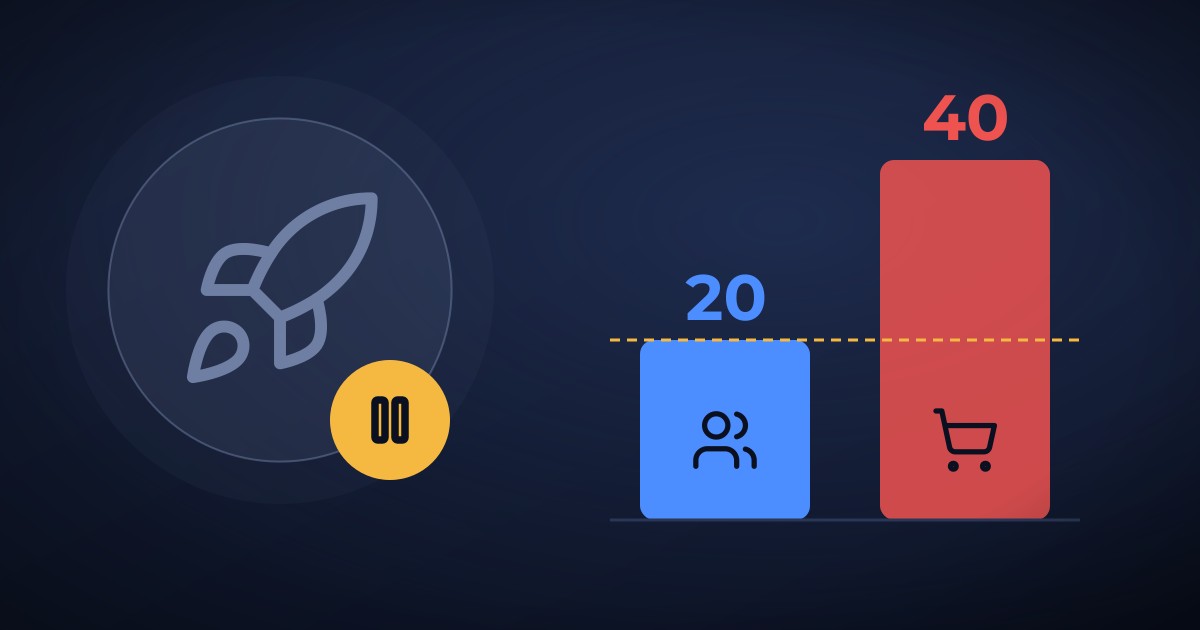
Suppose a company is preparing a service launch. The team can complete twenty orders a week to a good standard, but the campaign is expected to generate twice that number. It could accept everyone and try to catch up, or begin with a limited trial while establishing the capacity required. Excitement about the launch does not add working hours or automatically shorten training.
A useful postponement has a specific reason and a condition for review. Expansion might wait until late orders fall to an agreed level, or until funding is available for the period before customer payments arrive. An indefinite delay with no date or criterion may simply avoid a difficult decision.
The cost of waiting matters as well. A market opportunity may close or competitors may move, so “we aren’t ready” is not enough. Compare the risks of starting with those of delaying. A smaller launch may balance them. I value a manager who can explain why the business waited and what it did during that time. Waiting can be used to fix problems that would have cost far more in front of customers.
قرار التأجيل يحتاج شجاعة أيضًا
يسهل الدفاع عن مشروع بدأ بالفعل. هناك صور واجتماعات ومواعيد ومبلغ أُنفق. أما القرار بتأجيله فيبدو أحيانًا كأن الإدارة لم تفعل شيئًا، حتى عندما يكون التأجيل هو الاختيار الأكثر مسؤولية.
لنفترض أن شركة تستعد لإطلاق خدمة، وتعرف أن الفريق يستطيع تنفيذ عشرين طلبًا أسبوعيًا بجودة جيدة، بينما تتوقع الحملة ضعف هذا العدد. يمكنها فتح الباب للجميع ثم محاولة اللحاق بالضغط، ويمكنها بدء تجربة محدودة إلى أن تتأكد من الطاقة المطلوبة. الحماس للإطلاق لا يغير ساعات العمل المتاحة ولا يختصر مدة التدريب تلقائيًا.
التأجيل المفيد له سبب محدد وشرط للمراجعة. مثلًا: نؤجل التوسع إلى أن تنخفض الطلبات المتأخرة إلى مستوى متفق عليه، أو إلى أن يتوفر التمويل اللازم للفترة السابقة للتحصيل. أما التأجيل المفتوح الذي لا يملك صاحبه موعدًا ولا معيارًا، فقد يكون مجرد هروب من الحسم.
من المهم حساب تكلفة الانتظار أيضًا. قد تضيع نافذة سوقية أو تتحرك المنافسة، ولذلك لا تكفي عبارة «لسنا جاهزين». نحتاج مقارنة بين مخاطر البدء ومخاطر التأخر، وربما نجد إطلاقًا أصغر يوازن بينهما. أقدّر المدير الذي يستطيع شرح لماذا انتظر، وما الذي فعله أثناء الانتظار. هذه فترة يمكن استخدامها لإصلاح ما كان سيكلفنا أكثر لو ظهر أمام العملاء.


The example of a service launch risking twice the team’s weekly capacity clearly shows why a limited trial can be more responsible than rushing ahead. A similar measured approach is useful when converting designs with Png to Stl before committing to full-scale 3D printing.
The point about starting with a limited trial rather than accepting twice the team’s sustainable order volume is a practical reminder that postponement can protect quality, not signal inaction. That same measured approach is useful when evaluating this Aisongs app and its legal considerations.
The limited-trial approach is a practical way to avoid overwhelming a team that can handle only twenty orders while demand may reach forty. That same emphasis on testing capacity before scaling is relevant when exploring tools like https://neural4d.online.
The limited-trial approach is a practical way to protect service quality when expected demand exceeds current capacity, rather than confusing visible activity with responsible progress. Tools like Voicegenerator could also help test campaign messaging before scaling the launch.
The contrast between visible activity and responsible postponement is especially clear in the service-launch example: a limited trial protects quality when demand may exceed the team’s capacity. The same measured approach is useful with tools like Image to 3D AI, where testing output before scaling can prevent avoidable rework.