Choosing Customers Means Allocating Resources

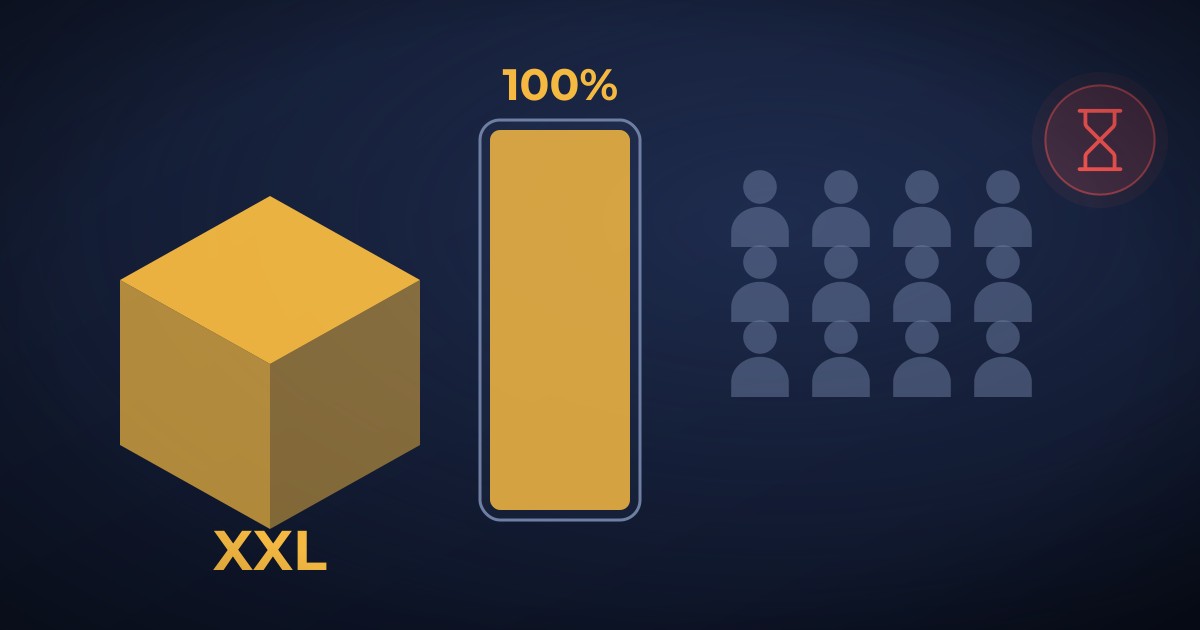
Targeting a new segment can look like a straightforward marketing choice. It also consumes selling time, inventory space, after-sales support, and sometimes additional financing. Imagine a small company accepting highly customized orders because their invoice values are large. If those orders absorb most of the […]

Why the Favoured Outcome Sometimes Loses

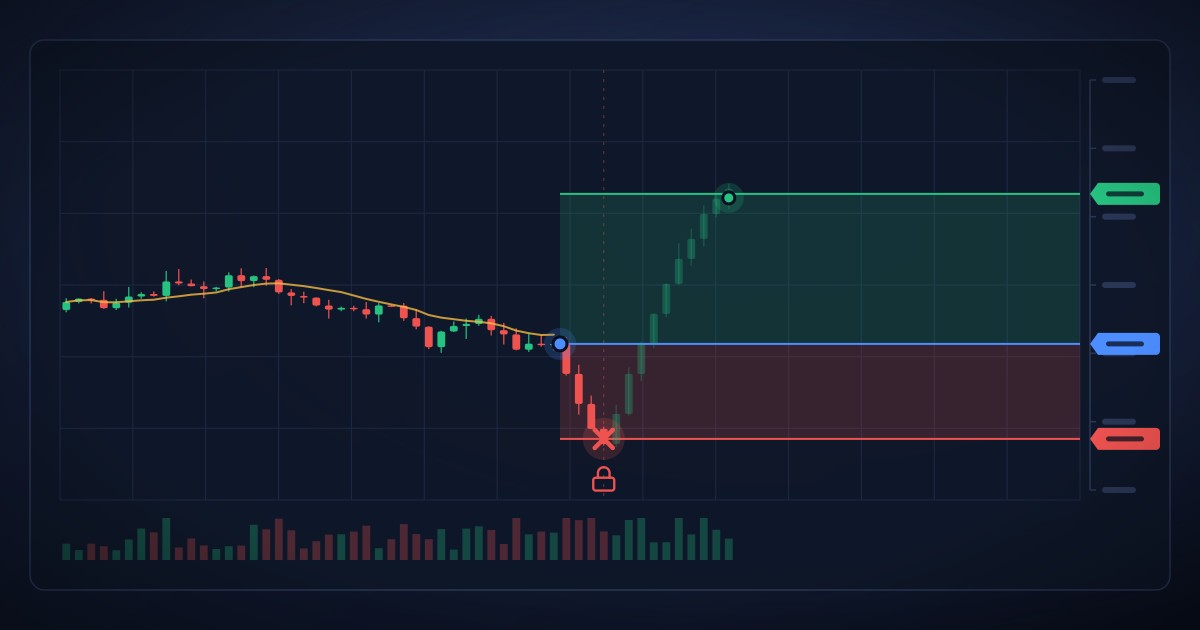
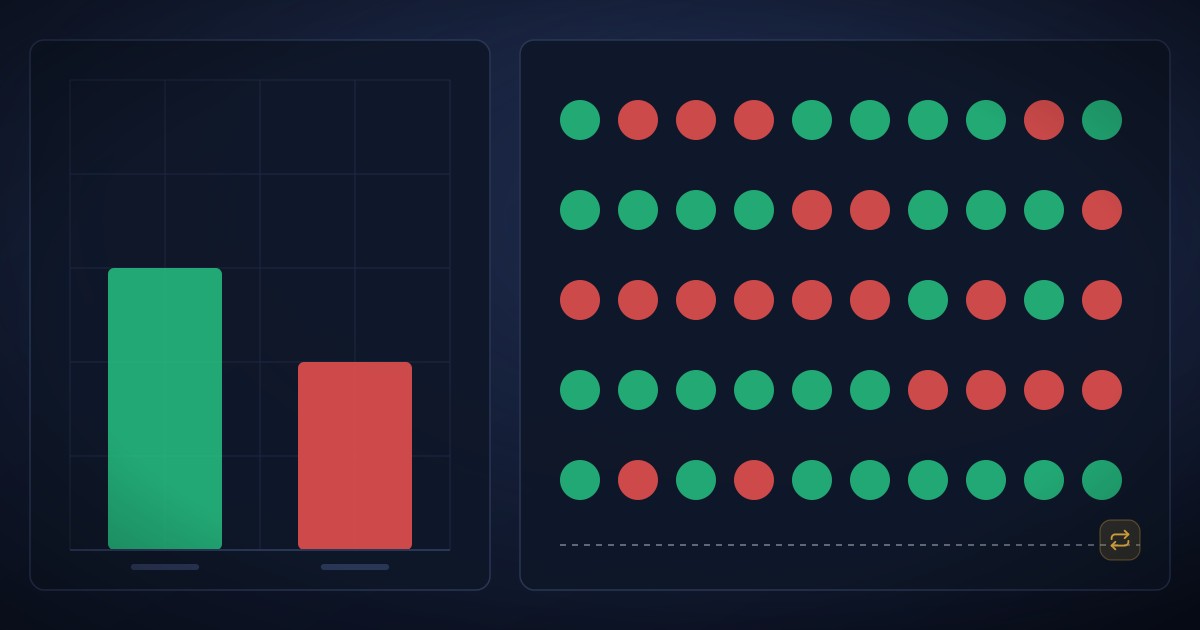
If an event truly has a calibrated sixty percent probability, the other outcome still has forty percent. Seeing the less likely outcome once does not disprove the estimate. Seeing the favoured outcome once does not validate it either. Evaluation requires a sequence of preserved forecasts […]

The customer who left quietly

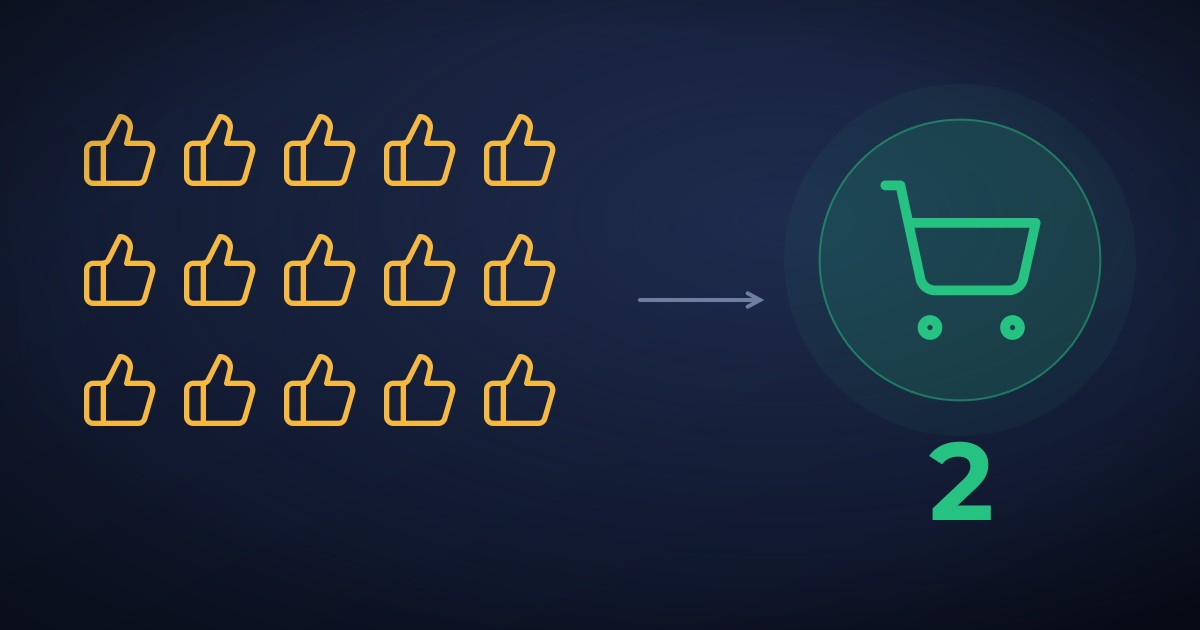
Complaints arrive by email and phone, so they are easy to see. Customers who stop buying without saying anything can disappear inside averages. We might celebrate fewer complaints while fewer people want to deal with us at all. Silence has many explanations. Some people do […]

A Forecast Needs Room for Surprise

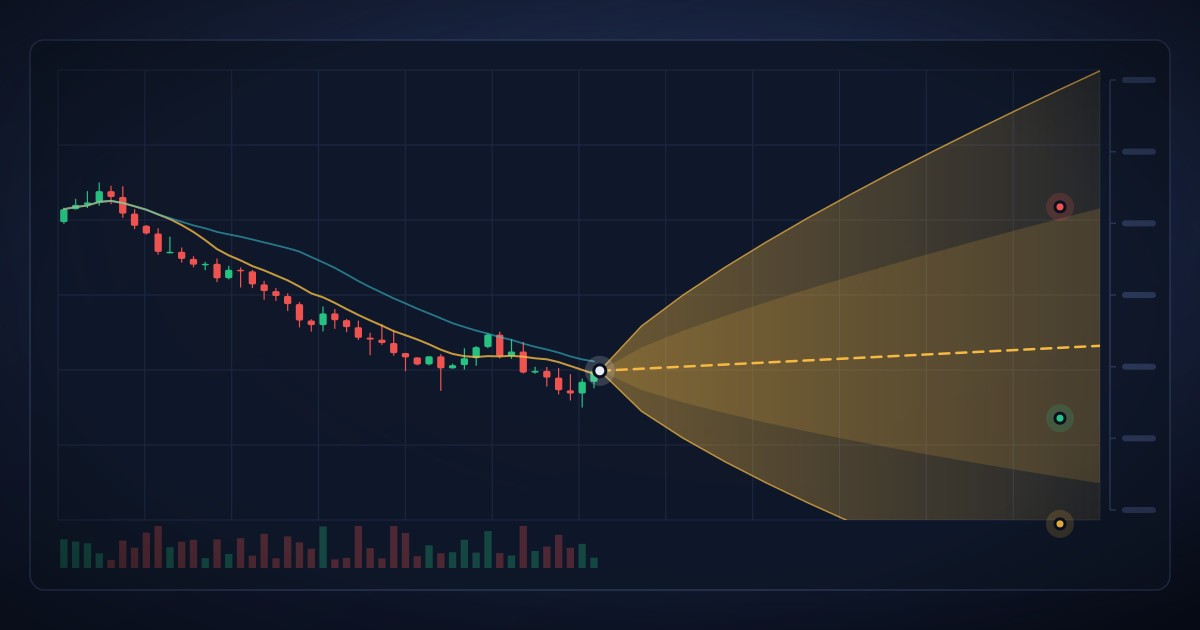
Reducing a forecast to one price removes useful information. Two models may share the same central estimate while one expects tightly clustered outcomes and the other allows a much wider range. The book therefore presents distributions and intervals alongside central values. The surrounding range shows […]

A Competitor’s Price Is Only the Beginning

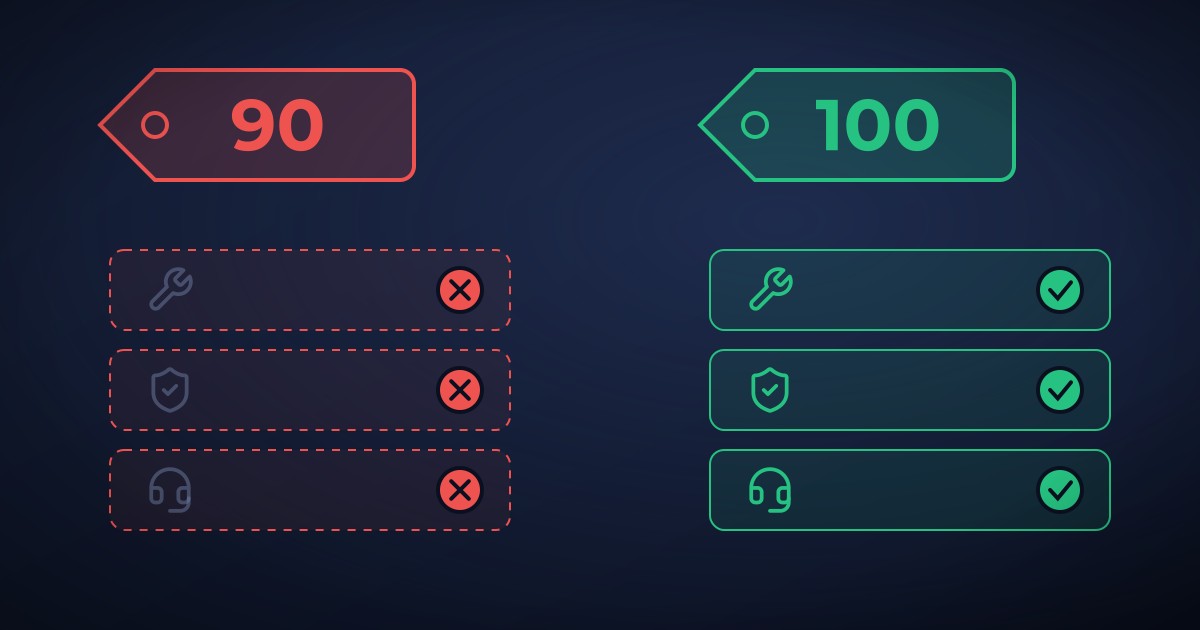
A competitor may appear cheaper until we examine what the price includes: installation, warranty length, spare parts, response time, and payment terms. A fair comparison gathers those details from identifiable sources at a stated time. Missing information is not proof of weakness. An advertising claim […]