For the team, the task may feel complete when the sale closes. For the customer, new questions begin: when will it arrive, how do I use it, and whom do I contact if something goes wrong? This stage reveals the distance between a promise and […]


For the team, the task may feel complete when the sale closes. For the customer, new questions begin: when will it arrive, how do I use it, and whom do I contact if something goes wrong? This stage reveals the distance between a promise and […]

A customer may recognize a brand’s colors immediately. They are likely to remember how the business behaved when something went wrong: whether anyone answered, understood the issue, and kept the promised remedy. Visual identity supports recognition and consistency. Brand perceptions also develop through products, service, […]

“The best quality, price, and service” is so broad that it becomes difficult to test. Positioning needs a clearer choice: whom does the offer serve, in what situation, and with which meaningful benefit? If the promise concerns reducing downtime, what is the response time? What […]
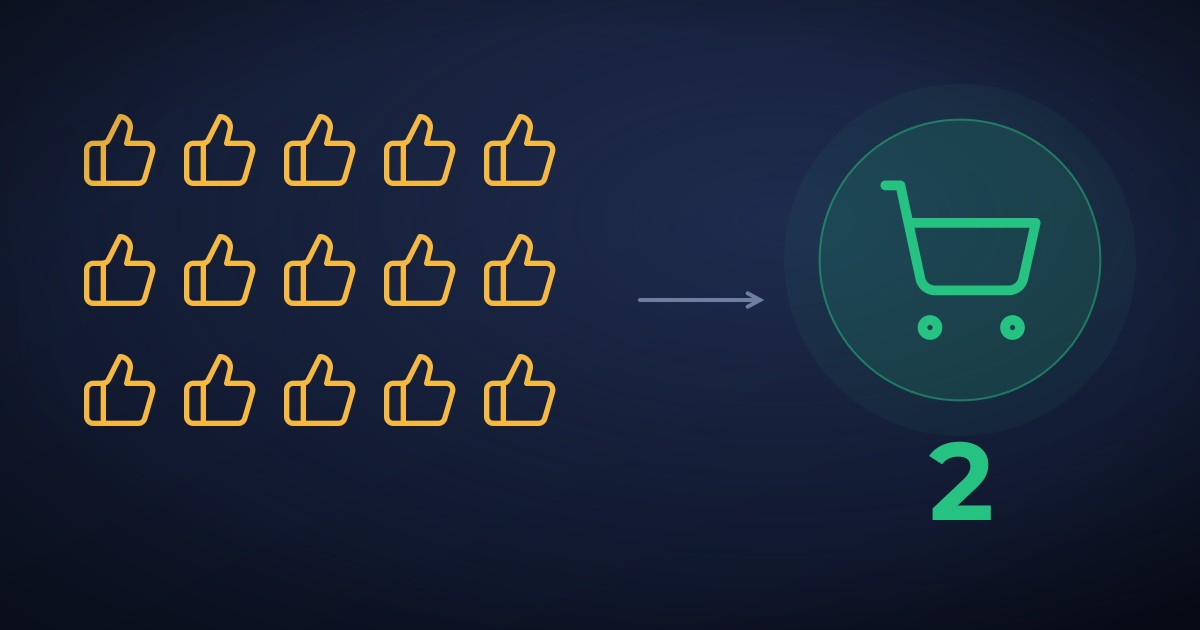
“It’s a great idea” is easy to hear when we ask friends or customers about a possible service. The response may be sincere. It does not answer the commercial question: will they choose this service at its actual price and terms when alternatives are available? […]

Telling an interested customer that your offer may not suit them is difficult. There is a sales target, an acquisition cost, and an understandable wish to close. But agreement built on conflicting expectations can create a problem larger than the sale is worth. Imagine a […]

The person you meet may be convinced by an offer and still struggle to explain it to a manager. They lack a clear cost calculation, an answer about implementation risks, or a comparison with the current alternative. The deal stalls after a good meeting, and […]
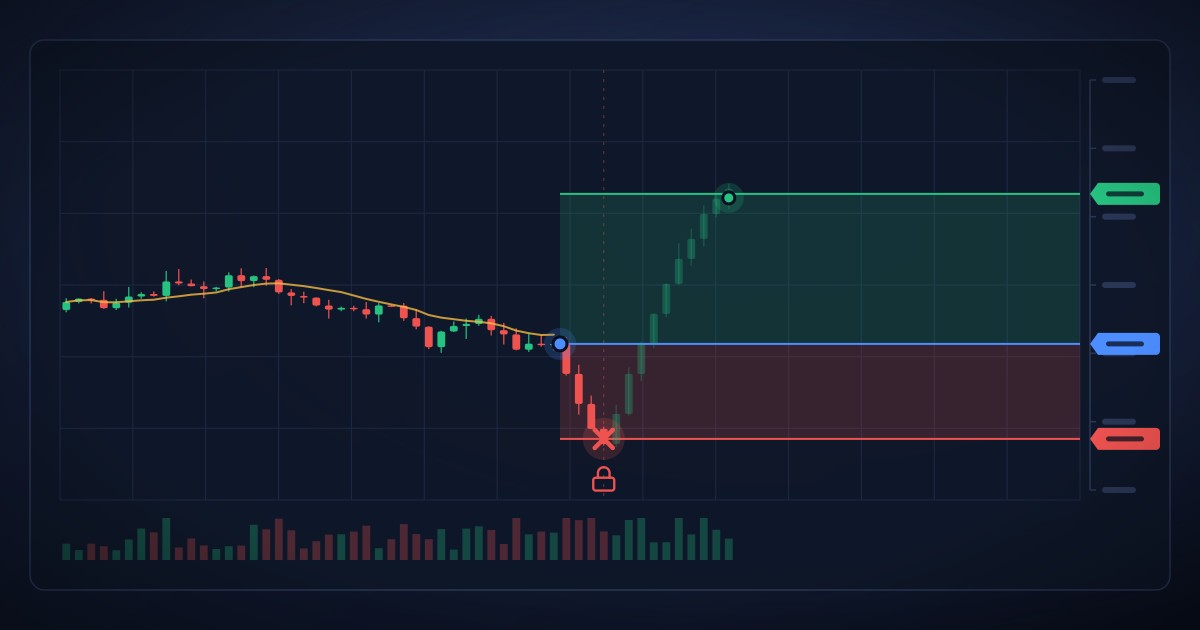
Price can finish above the reading level after first falling through a protective stop. The probability of a positive return at an endpoint therefore differs from the probability of reaching a target before a stop. One question concerns the destination; the other concerns the journey. […]
