
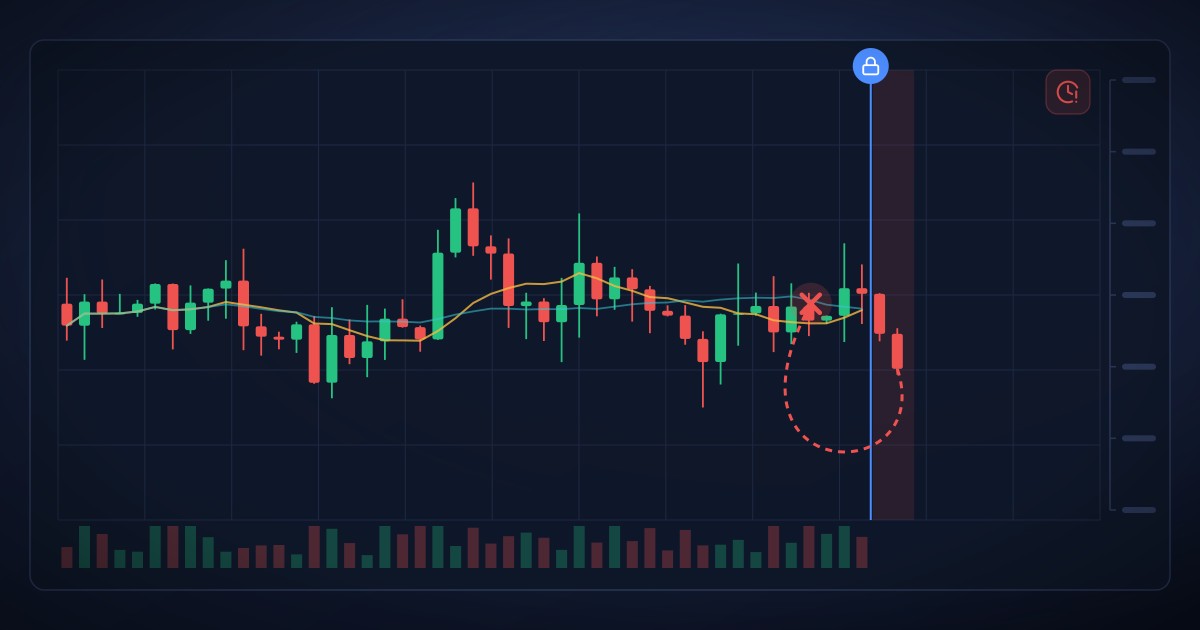
Imagine an analyst at today’s close using a volatility estimate that includes tomorrow’s return. The error may look small in a long spreadsheet, but the test has supplied information unavailable at the decision time.
Causal processing in CCGO requires every input to use information already available when the reading is made. Examples include lagging the volatility estimate used to scale a return and recording when a segment’s outcome became observable.
When reviewing a test, ask when each number could actually have been known. Correct arithmetic is insufficient if the timing is wrong. A chronological audit can reveal a substantial gap between an attractive historical result and a procedure that could have been followed without future knowledge.
المعلومة التي وصلت متأخرة
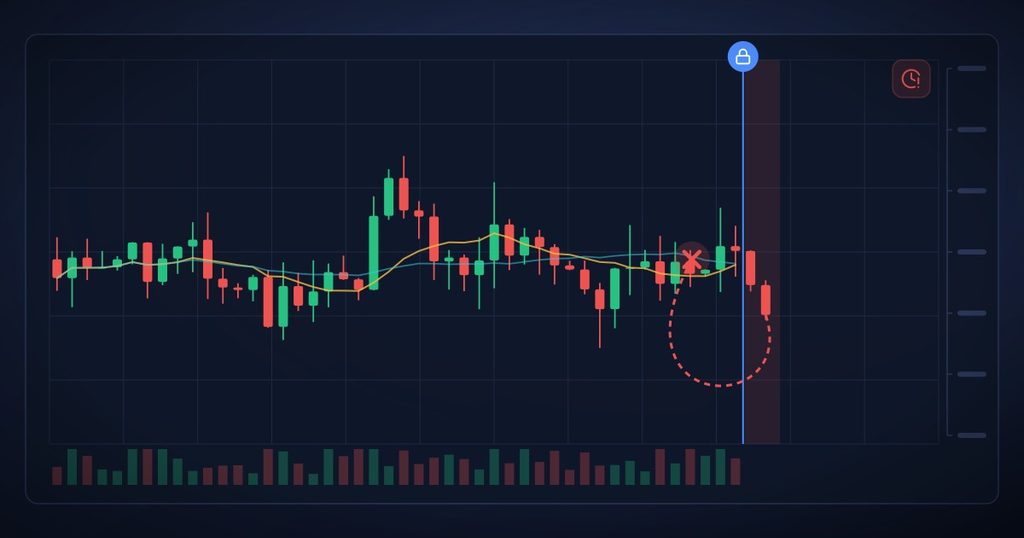
تخيل محللا يقف عند إغلاق يوم معين، لكنه يستخدم في حساباته تقدير تقلب يشمل اليوم التالي. قد يبدو الفرق صغيرا داخل جدول طويل، إلا أن الاختبار منح المحلل معرفة لم تكن متاحة وقت القرار.
المعالجة السببية في CCGO تعني أن كل متغير يستند إلى معلومات وصلت بالفعل عند استخدامه. ومن أمثلتها إزاحة تقدير التقلب بحيث يسبق العائد الذي نقيسه، وحفظ تاريخ إتاحة نتيجة كل مقطع.
عند مراجعة اختبار، لا تسأل فقط عن صحة الأرقام. اسأل متى كان من الممكن معرفتها. هذا السؤال الزمني يكشف أحيانا فارقا كبيرا بين أداء جميل على الورق وطريقة يمكن تطبيقها دون معرفة المستقبل.

