
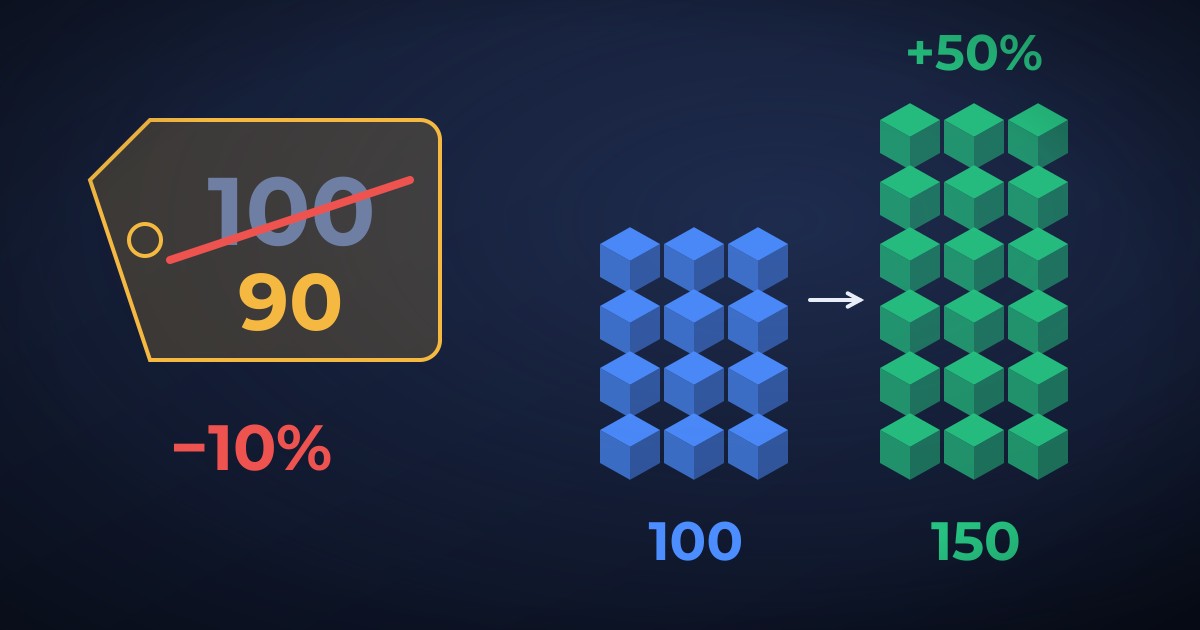
Ten pounds may seem a small concession in a price negotiation, yet it can consume a large share of what the company retains from each unit. Looking only at the discount as a percentage of price obscures its effect.
In a simplified hypothetical example, a product sells for EGP 100 and has a variable cost of EGP 70. Its EGP 30 contribution goes toward fixed costs and profit. Reduce the price to EGP 90, with costs unchanged, and contribution falls to EGP 20. To generate the contribution previously earned on 100 units, the company now needs to sell 150. A ten percent price reduction requires fifty percent more volume just to restore that contribution.
This calculation excludes any extra service pressure or funding needed for additional stock. A discount therefore needs a testable reason. Will it generate enough additional demand? Will it clear stock that is expensive to hold? Or mainly benefit people who would have paid the regular price?
A reduction can be sensible, but calculate before approving it. Specify expected contribution, required volume, and the period, then review actual results. During negotiations, consider changes to scope, payment terms, or order size as well. These may help the customer while leaving the business better able to fulfill its promise.
الخصم الصغير الذي يحتاج مبيعات كثيرة لتعويضه
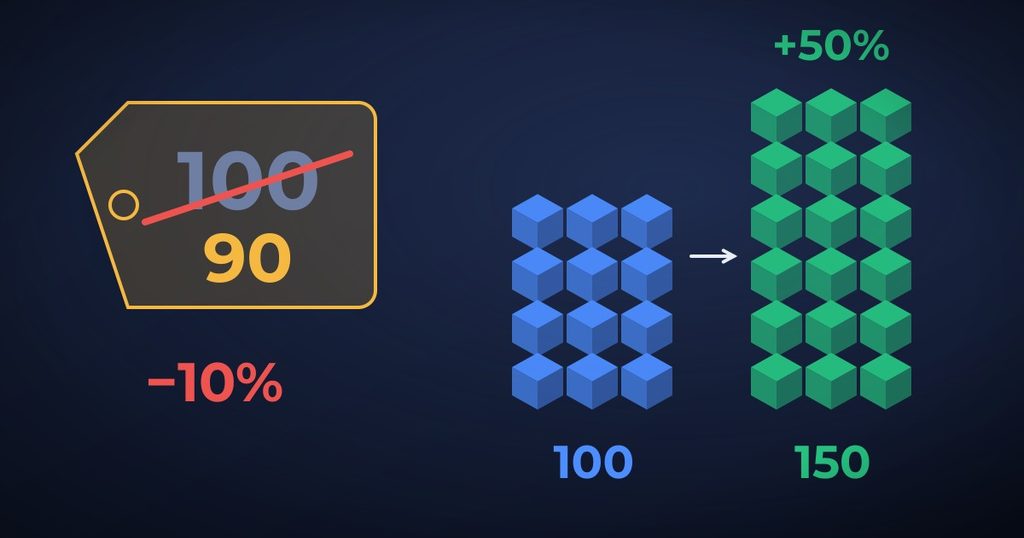
قد تبدو عشرة جنيهات مبلغًا بسيطًا في مفاوضات السعر، لكنها قد تلتهم جزءًا كبيرًا مما يبقى للشركة من كل وحدة.
الانتباه إلى نسبة الخصم من سعر البيع وحدها يجعل أثره أقل وضوحًا مما هو عليه.
في مثال افتراضي مبسط، سعر المنتج مائة جنيه، وتكلفته المتغيرة سبعون. يتبقى ثلاثون جنيهًا للمساهمة في تغطية التكاليف الثابتة والربح. إذا خفضنا السعر إلى تسعين، تنخفض المساهمة إلى عشرين، بافتراض ثبات التكلفة. وللحصول على المساهمة نفسها التي تحققها مائة وحدة بالسعر الأول، نحتاج بيع مائة وخمسين وحدة بالسعر الجديد. أي زيادة الكمية بنصفها لتعويض خصم قدره عشرة بالمائة.
وهذا الحساب لا يشمل ما قد يصاحب الزيادة من ضغط على الخدمة أو احتياج إلى تمويل مخزون إضافي. لذلك يحتاج الخصم سببًا يمكن اختباره: هل سيجلب طلبًا إضافيًا كافيًا؟ هل يساعد في تصريف مخزون له تكلفة انتظار؟ أم يمنح منفعة لمن كانوا سيشترون أصلًا بالسعر المعتاد؟
قد يكون التخفيض قرارًا سليمًا، لكن موافقته تستحق حسابًا قبل الحماس. حدد المساهمة المتوقعة، والكمية اللازمة، والفترة، ثم راجع ما حدث فعلًا. وفي التفاوض، ابحث أيضًا عن تعديل النطاق أو شروط الدفع أو حجم الطلب. هذه البدائل قد تخدم العميل وتترك للشركة مساحة أوضح للوفاء بما وعدت به.

