
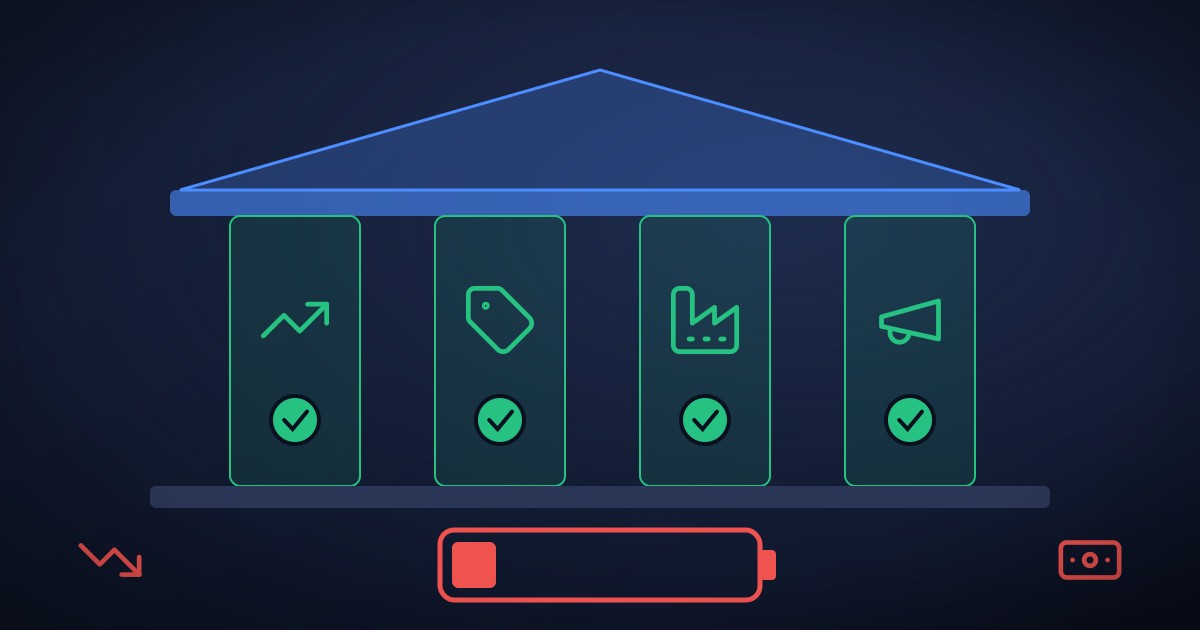
A management meeting can end with good news from every department and leave the general manager more worried than before. Sales are up, purchasing has secured a discount, and the factory is running at capacity. Yet the company is looking for money to meet next week’s commitments.
Consider a hypothetical business. Purchasing buys a large quantity to get a better price. Sales gives customers longer payment terms to move it, while marketing launches an offer to stimulate demand. Each department delivers what was asked of it. Together, their decisions leave the company with paid-for stock and unpaid invoices. The problem may lie in how success was defined rather than in anyone’s competence.
When we measure functions separately, their connections can fall between responsibilities. The purchasing report shows the discount; another report carries the cost of tying up cash. Sales gets credit for the deal, while finance inherits the funding requirement after it has been signed. The next meeting becomes an exchange of accusations, although the trouble started before execution.
Before a major decision, I prefer a shared question: what happens to the company if all our plans succeed? A single schedule should connect demand, delivery, collections, and payments, supported by measures that recognize those relationships. Buying less may cost slightly more per unit and still be the better choice. Good management identifies that trade-off before it becomes a crisis.
حين تنجح الإدارات وتتعب الشركة
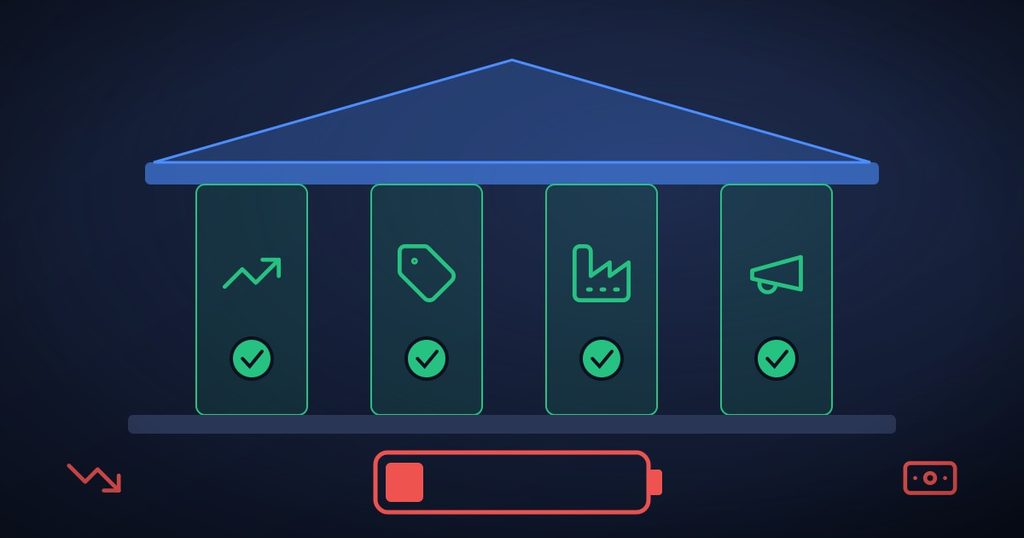
يمكن أن ينتهي اجتماع الإدارة بأخبار جيدة من الجميع، ثم يخرج المدير العام أكثر قلقًا مما دخل. المبيعات ارتفعت، والمشتريات حصلت على خصم، والمصنع يعمل بطاقته، لكن الشركة تبحث عن مال لدفع التزامات الأسبوع المقبل.
خذ هذا المشهد الافتراضي. اشترى مسؤول المشتريات كمية كبيرة للاستفادة من سعر أفضل. منح فريق المبيعات العملاء مهلة أطول لتصريفها، وأطلقت إدارة التسويق عرضًا يزيد الطلب. حققت كل إدارة ما طُلب منها، بينما اجتمعت آثار القرارات في مخزون مدفوع وفواتير لم تُحصّل بعد. لم تكن المشكلة بالضرورة في كفاءة الأشخاص، بل في الطريقة التي حُدد بها النجاح لكل منهم.
حين نقيس كل وظيفة منفصلة، نترك العلاقات بينها بلا صاحب. يظهر الخصم في تقرير المشتريات، وتختفي تكلفة تجميد المال في تقرير آخر. تُحتسب الصفقة للمبيعات، ويصل عبء تمويلها إلى المالية بعد توقيعها. عندها يصبح الاجتماع التالي محاكمة متبادلة، مع أن الخطأ بدأ قبل التنفيذ.
أفضّل أن يسبق القرارات الكبيرة سؤال مشترك: ماذا سيحدث للشركة إذا نجح كل واحد منا في خطته؟ نحتاج جدولًا واحدًا يربط الطلب بالتسليم والتحصيل والمدفوعات، ثم مؤشرات تعترف بهذه الروابط. قد يكون شراء كمية أقل أغلى قليلًا للوحدة، لكنه أنسب للشركة في تلك اللحظة. جودة الإدارة تظهر في قدرتها على رؤية هذه المفاضلة قبل أن تتحول إلى أزمة.

